Read Dr. Haseltine's latest piece with

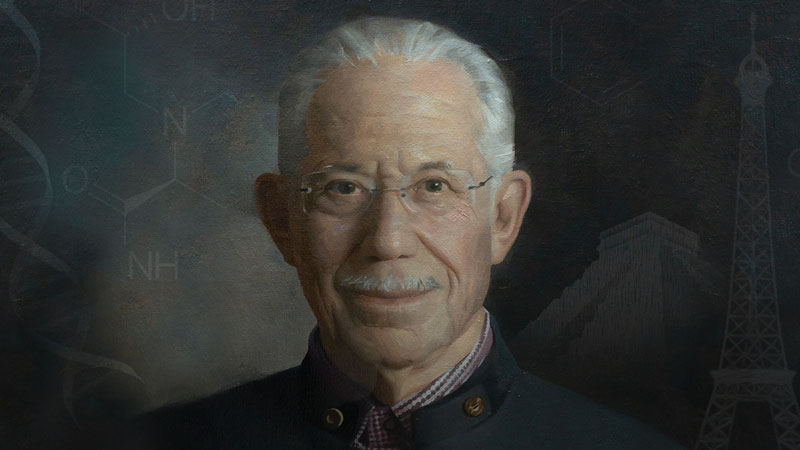
William A. Haseltine, PhD
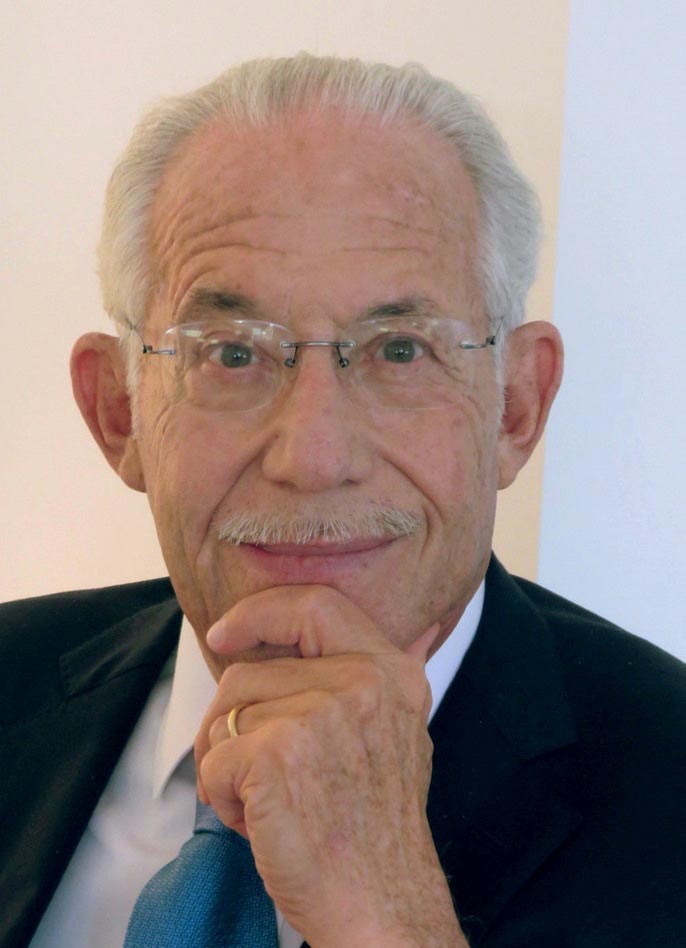 In Dr. Haseltine’s career at the forefront of medical research and application, he has educated a generation of doctors at Harvard Medical School, designed the strategy to develop the first treatment for HIV/AIDS, is well known for his groundbreaking work on cancer, and led the team that pioneered the development of new drugs based on information from the human genome. His relentless focus on delivering world-changing results led TIME magazine to name him one of the “25 Most Influential Global Business Executives.”
Today, as the Chair and President of ACCESS Health International and an internationally recognized expert on the COVID-19 pandemic, Dr. Haseltine is dedicated to ensuring that quantum advancements in medical technology translate to improved health outcomes around the world.
Dr. Haseltine has founded more than a dozen biotechnology companies, including Human Genome Sciences, Inc. Eight pharmaceutical products from companies he founded are currently approved by U.S. and international regulatory agencies. He is the author of more than two hundred peer reviewed manuscripts and eleven books, including two books on COVID: A Family Guide to Covid and A Covid Back to School Guide. His most recent book, My Lifelong Fight Against Disease: From Polio and AIDS to COVID-19, was published in October 2020. He is currently chair and president of the global health think tank ACCESS Health International.
Click here to read Dr. Haseltine’s CV
In Dr. Haseltine’s career at the forefront of medical research and application, he has educated a generation of doctors at Harvard Medical School, designed the strategy to develop the first treatment for HIV/AIDS, is well known for his groundbreaking work on cancer, and led the team that pioneered the development of new drugs based on information from the human genome. His relentless focus on delivering world-changing results led TIME magazine to name him one of the “25 Most Influential Global Business Executives.”
Today, as the Chair and President of ACCESS Health International and an internationally recognized expert on the COVID-19 pandemic, Dr. Haseltine is dedicated to ensuring that quantum advancements in medical technology translate to improved health outcomes around the world.
Dr. Haseltine has founded more than a dozen biotechnology companies, including Human Genome Sciences, Inc. Eight pharmaceutical products from companies he founded are currently approved by U.S. and international regulatory agencies. He is the author of more than two hundred peer reviewed manuscripts and eleven books, including two books on COVID: A Family Guide to Covid and A Covid Back to School Guide. His most recent book, My Lifelong Fight Against Disease: From Polio and AIDS to COVID-19, was published in October 2020. He is currently chair and president of the global health think tank ACCESS Health International.
Click here to read Dr. Haseltine’s CVBooks
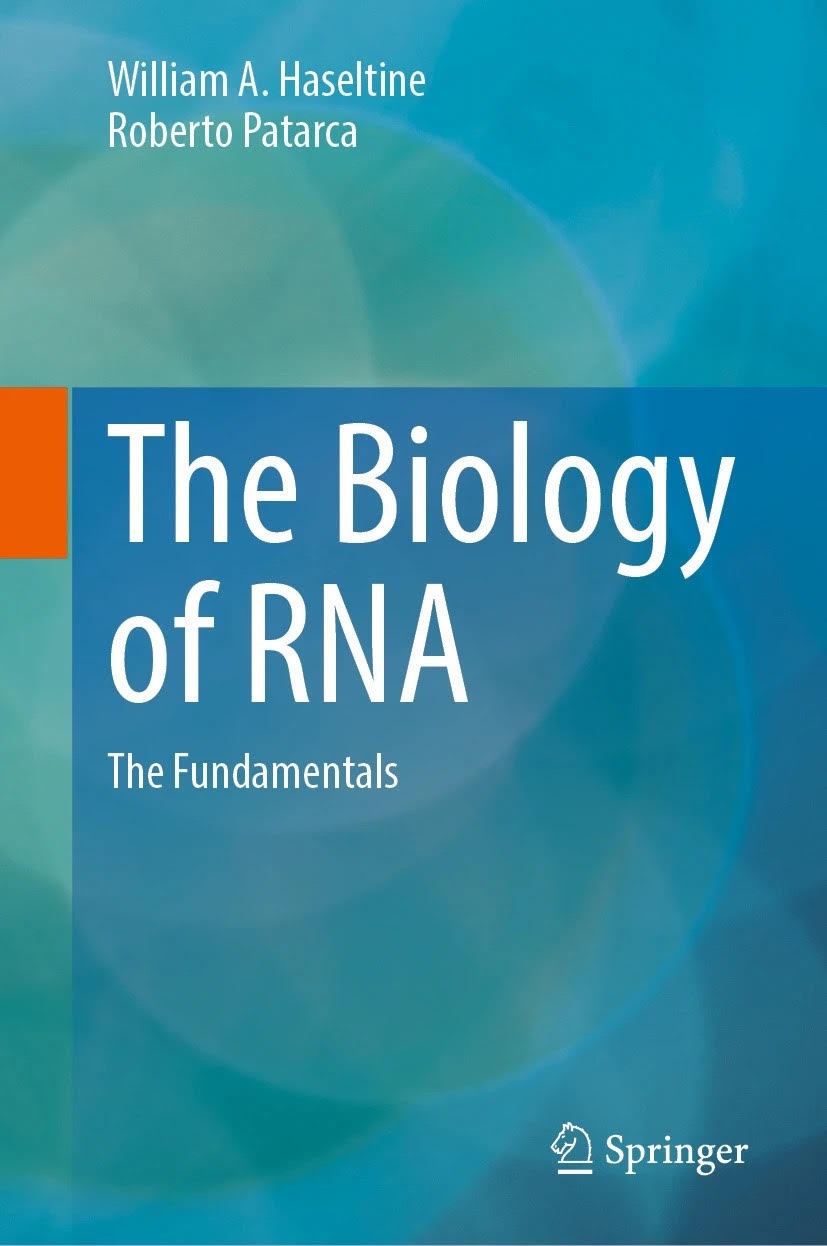
The Biology of RNA: The Fundamentals
RNA technology is poised to drive a new era of discovery and innovation across human and veterinary medicine, agriculture, and industry—an inflection point as consequential as the recombinant DNA revolution of the 1980s. As the first comprehensive survey of noncoding RNAs, this textbook provides a timely and authoritative introduction to one of the most dynamic frontiers in modern biology. It offers a broad overview of RNA biology while serving as a companion volume to The Biology of RNA: Long and Small Non-coding RNAs, and two forthcoming volumes on the practical applications of RNA. Designed to promote learning and long-term retention, each chapter features overviews, learning objectives, and clearly highlighted key concepts, definitions, and key takeaways, along with case studies and quizzes that help readers apply what they have learned. Bringing together foundational discoveries, current research, and emerging directions, this textbook is an indispensable resource for undergraduate and graduate students, researchers, and all readers seeking a deeper understanding of this fast-moving field.
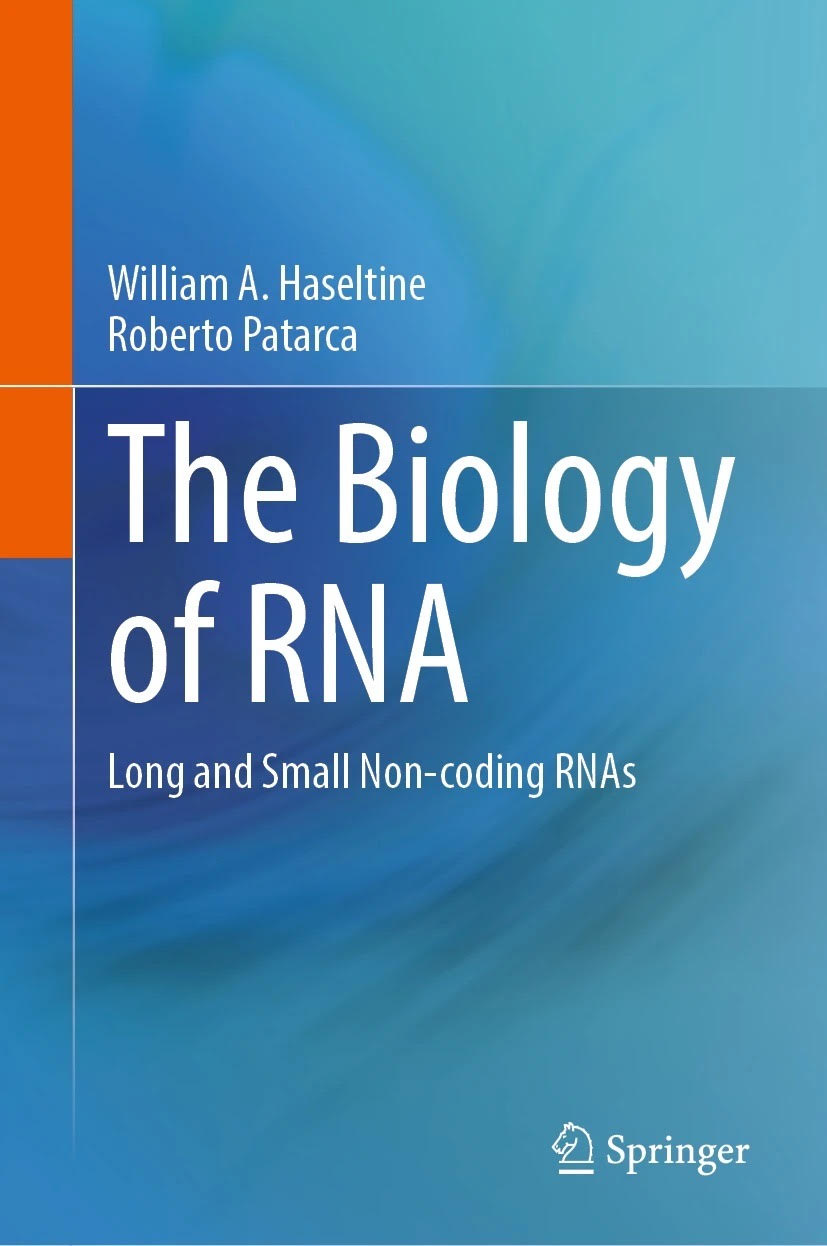
The Biology of RNA: Long and Small Non-coding RNAs
This textbook offers a comprehensive overview of the biology of RNA and is a companion volume to The Biology of RNA: The Fundamentals, The Practical Applications of RNA: Medicine, and The Practical Applications of RNA: Agriculture and Industry. Chapters are structured to enhance learning and retention with overviews, learning objectives, and clearly highlighted key concepts, definitions, and points to remember. Chapters are rounded out with case studies, exercises, and quizzes to encourage readers to think and apply new knowledge. Capturing the state of research and offering insight on emerging topics and future knowledge trends, this textbook is a pivotal resource for advanced students and researchers in molecular biology and any reader interested in learning more about this rapidly advancing field.
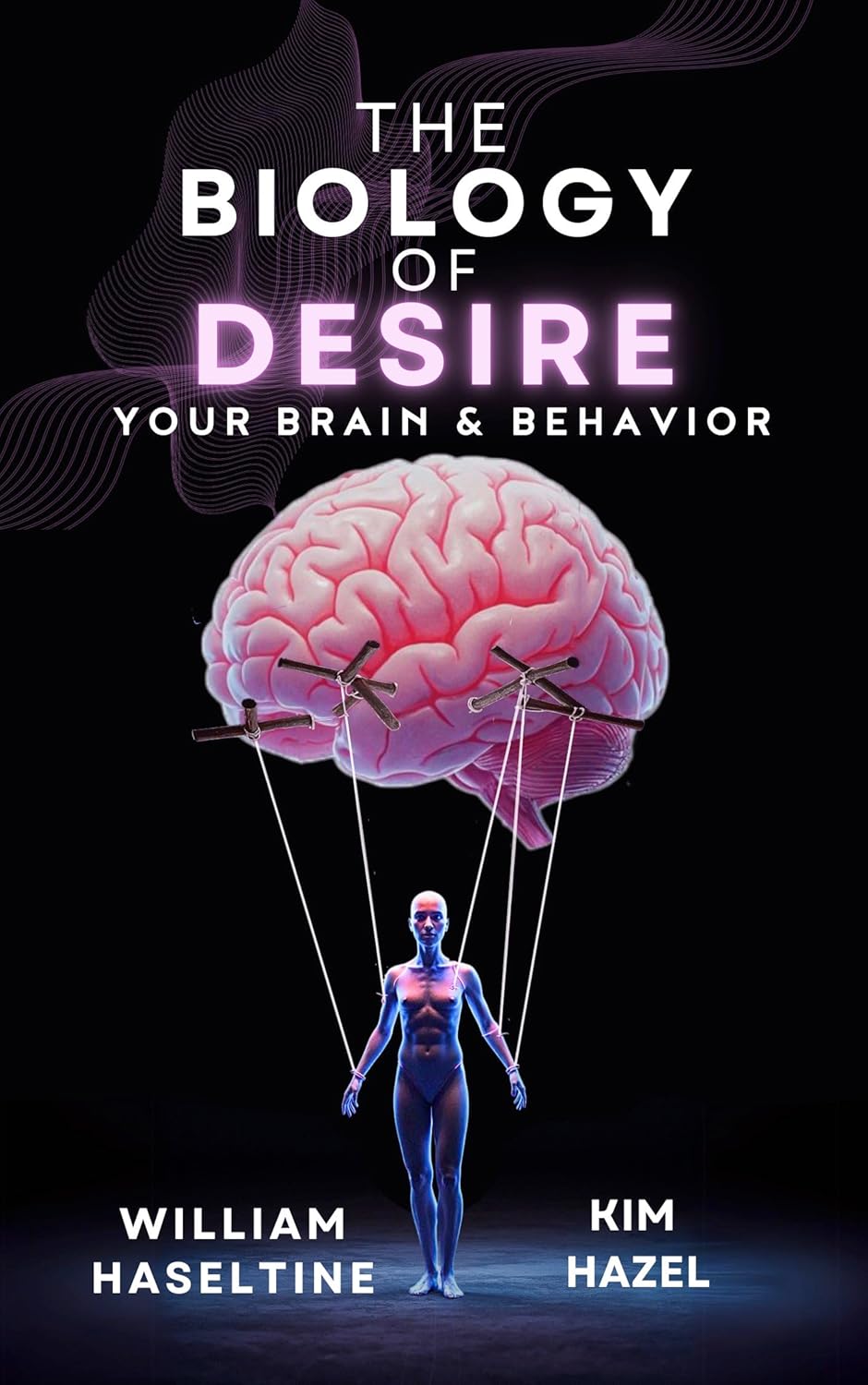
Biology of Desire: Your Brain & Behavior
The Biology of Desire: Your Brain & Behavior pulls readers into the fascinating world of craving, self-control, and why we want what we want—sometimes even against our better judgment. Guided by rich storytelling and cutting-edge neuroscience, this book unpacks how biology shapes every choice, from everyday temptations to profound life decisions.
From heartbreak in a coffee shop to the hunger that fuels midnight snacks, the narrative travels through the architecture of the brain—where reward circuits, social instincts, and ancient cravings all collide. Along the way, it illuminates the profound roles played by neurotransmitters like dopamine and serotonin, revealing how the delicate balance between impulse and reason is written into our neural code.
Bridging neuroscience, psychology, and the stories at the heart of human experience, The Biology of Desire brings to life the practical tools and insights that science now offers anyone seeking to harness self-understanding, willpower, or simply make peace with their own cravings. At its core, it’s a human story—a journey into the tangled forest of emotion, memory, and the deep-rooted longing that makes us who we are.
Destiny’s Child No Longer: Rewriting Genetic Fate
Destiny’s Child No Longer: Rewriting Genetic Fate invites readers to imagine a world where the genetic hand dealt at birth is no longer a fixed destiny. For millennia, our lives have been shaped by the silent lottery of DNA, a microscopic shuffle that determines health, risk, and potential before our first breath. But with the arrival of advanced genetic medicine, we now stand at the threshold of a new era, one where the mysteries of our genes can be decoded and, remarkably, rewritten.
The book opens with a vivid exploration of this transformation, blending the latest scientific breakthroughs with deeply human stories. It traces the journey from early discoveries of DNA’s structure and function, through the foundational experiments that revealed how genes are inherited and expressed, to the pioneering work that made it possible to read and now edit the genetic script. Along the way, readers meet individuals and families whose lives have been changed by both the promise and the perils of gene therapy, from the first successful treatments to the setbacks that reshaped the field’s ethical landscape.
As the narrative unfolds, Destiny’s Child No Longer examines how new tools like CRISPR and viral vectors turn science fiction into reality, offering hope for those burdened by inherited disease. Yet, it also confronts the profound ethical questions raised by this power: Will we use it wisely, ensuring equity and responsibility, or open Pandora’s box? The choice, the book argues, is both collective and individual, as we all become active participants in the story of our genetic future.
Live Longer: What You Can Do, What Medicine Can Do
Is aging a challenge we could navigate, delay, or even overcome? Live Longer offers a journey through cutting-edge research that transforms our thoughts about longevity. This book isn’t just a think piece; it’s a practical guide to the tools and strategies that can help us live longer, healthier lives.
Live Longer provides an accessible yet comprehensive exploration of the fundamental concepts of aging. It delves into the current understanding of the biological processes that drive aging and examines promising interventions that may slow or even reverse these processes.
The book covers a wide range of topics, including:
- The latest findings in genetics, epigenetics, and cellular biology related to aging
- Emerging therapies and interventions, from senolytics to stem cell treatments
- The role of lifestyle factors such as diet, exercise, and stress management in promoting longevity
- Potential pharmaceutical and technological approaches to extending healthspan
- Ethical considerations and societal implications of increased human lifespan
This book is an invaluable resource for anyone interested in understanding the science of aging and learning how to apply it to their lives. Whether you’re a health professional, a researcher, or simply someone looking to maximize your health span, Live Longer provides the insights and tools needed to navigate the exciting frontier of human longevity.
Checkpoint Inhibitors: A Key to Curing Cancer
Checkpoint inhibitors have revolutionized cancer treatment since their introduction in the 2010s. This groundbreaking class of immunotherapy has given many patients extended survival and a chance at long-term remission or even cure. While powerful as standalone treatments, checkpoint inhibitors have shown even greater efficacy when combined with traditional approaches like surgery, chemotherapy, radiation, and cutting-edge therapies such as CAR T-cell therapy.
This comprehensive guide explores the science behind checkpoint inhibitors, explaining how they work to unleash the body’s immune system against cancer cells. It covers the major checkpoint inhibitors currently in use, including those targeting PD-1, PD-L1, and CTLA-4. The book also examines ongoing research into new checkpoint targets and combination strategies that could further expand the reach of these therapies.
Whether you are a patient, caregiver, healthcare professional, or simply interested in the future of cancer care, this book provides a clear and compelling overview of one of the most significant advances in oncology. It offers a glimpse into a future where checkpoint inhibitors may play a central role in turning many cancers into manageable or curable diseases.
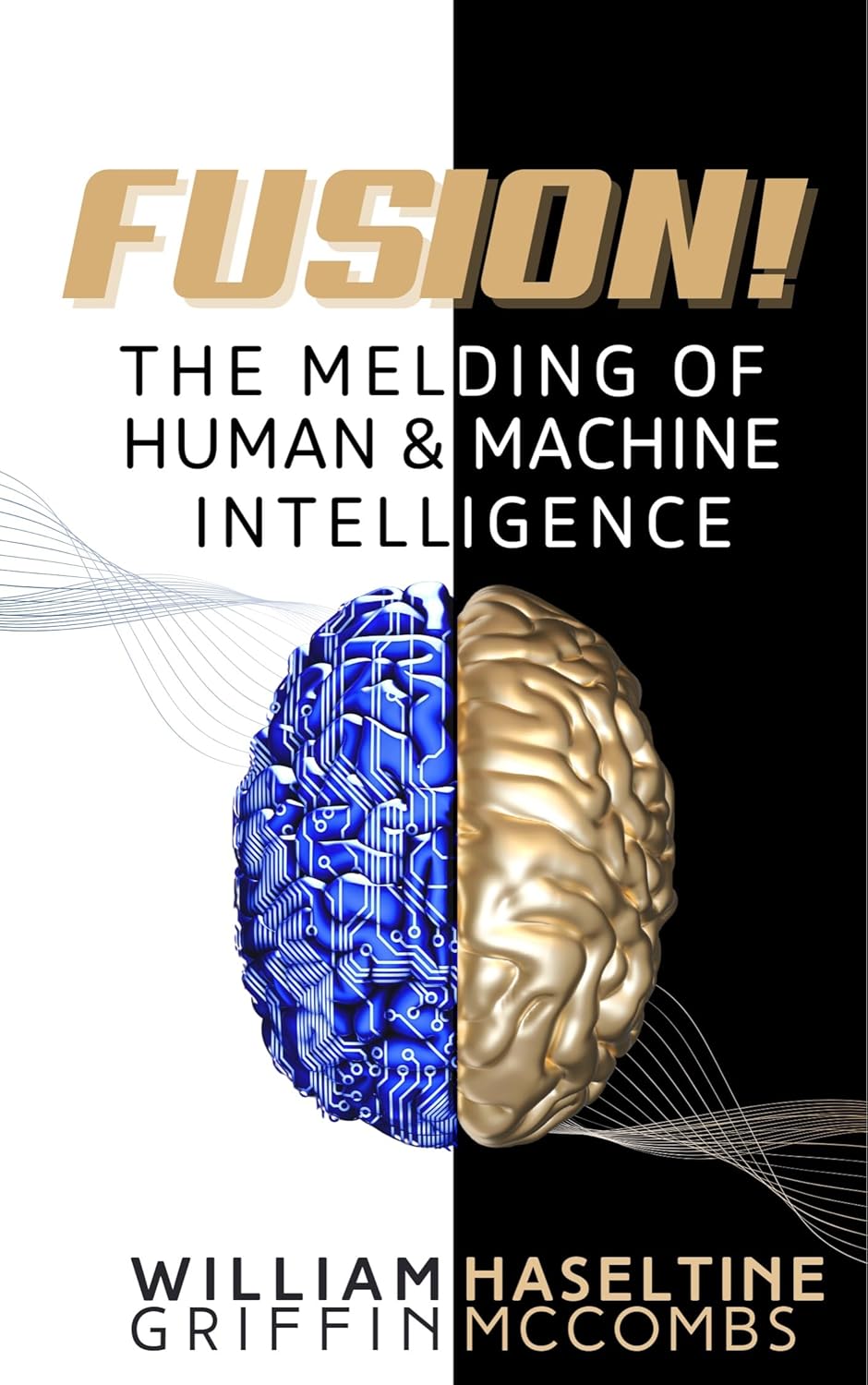
Fusion! The Melding of Human and Machine Intelligence
Fusion! explores the groundbreaking potential of brain-machine interfaces, where human thought directly connects with technology to restore lost abilities and enhance cognitive functions. This book examines how these systems are already helping individuals with disabilities regain independence by restoring mobility and speech while enabling direct control of digital devices through thought alone.
The book provides real-world examples of brain-machine interfaces in action, showcasing their current medical and assistive technologies applications. It delves into the technical aspects of how these systems interpret complex brain signals and translate them into commands for external devices or computers. Artificial intelligence is crucial, making brain-machine interaction increasingly intuitive and seamless.
Beyond the technical promise, Fusion! Tackles critical ethical questions surrounding this emerging technology. It examines privacy, autonomy, and the implications of potentially altering cognitive functions. The book raises important considerations about who controls these powerful technologies and for what purposes they should be used
Looking to the future, the book explores how brain-machine interfaces might enhance memory, focus, and other cognitive abilities in healthy individuals. It considers the exciting possibilities and potential risks of augmenting human intelligence through direct brain-computer connections. This book is an essential read for anyone interested in the cutting-edge intersection of neuroscience, computer science, and bioengineering that is shaping the future of human-machine interaction.
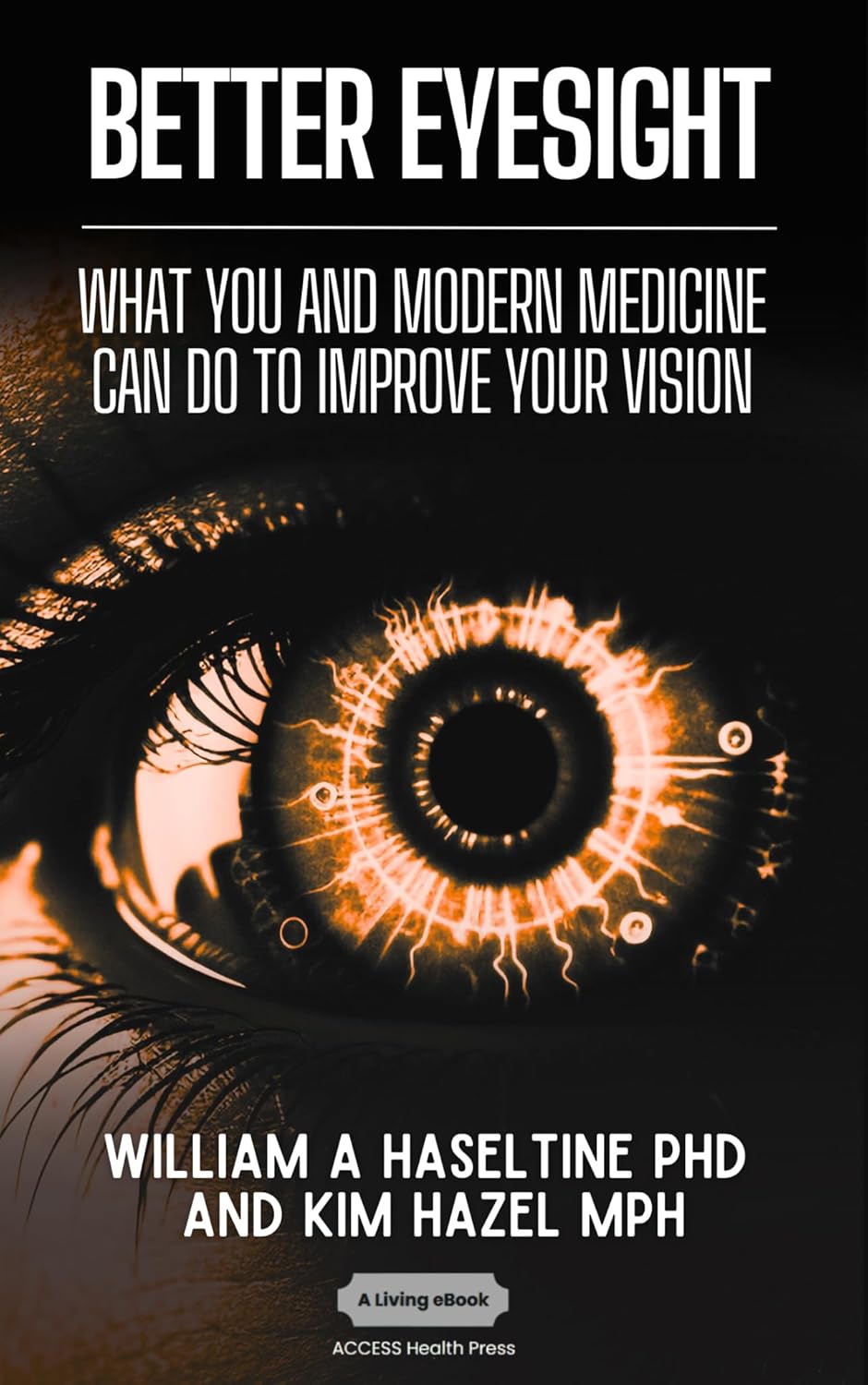
Better Eyesight: What You And Modern Medicine Can Do To Improve Your Vision.
From the leading edge of biotech and healthcare innovation, Dr. William A. Haseltine and Kim Hazel MPH come forth with a revolutionary resource – “Better Eyesight: What You And Modern Medicine Can Do To Improve Your Vision.” This trailblazing book maps out the vanguard of eye care technologies and treatments, offering new hope to those affected by vision issues. Better Eyesight is a valuable resource for anyone interested in eye care, whether you are a healthcare professional or just someone who wants to learn more about eye health and wellness.
“Better Eyesight: What You and Modern Medicine Can Do to Improve Your Vision” illuminates modern advances in ophthalmology, including brain implants and gene therapy, and offers in-depth information on treatments such as stem cell and gene therapies for retinal disorders, laser photocoagulation, and more.
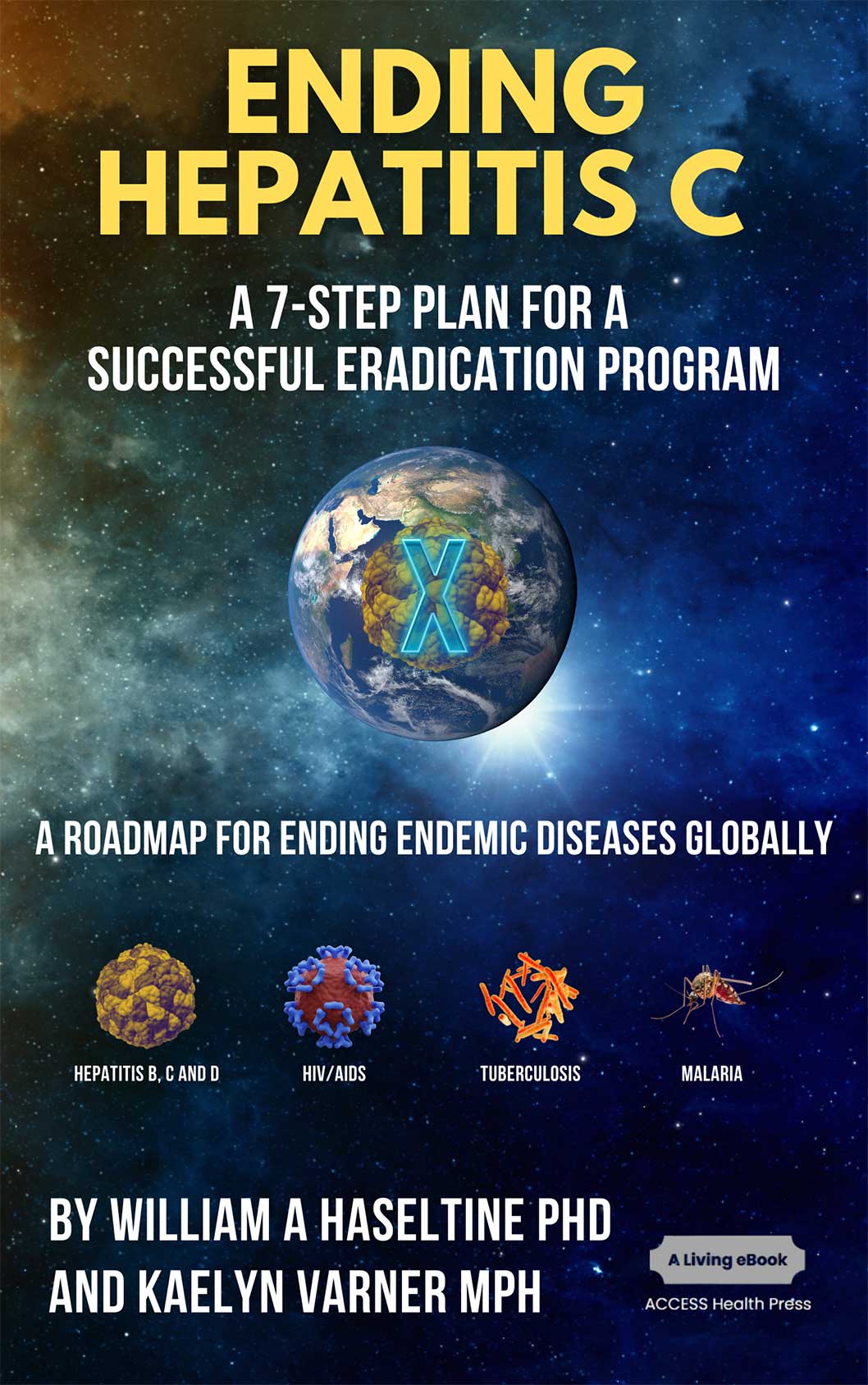
Ending Hepatitis C: A Seven-step Plan for a Successful Eradication Program: A Roadmap for Ending Endemic Disease Globally
Just a few years ago, Egypt and the United States had approximately the same number of people infected with chronic hepatitis C. Today, Egypt has been declared virtually free of the disease, while the opioid crisis is driving an increase in hepatitis C infection rates in the United States
In their latest book, Dr. William Haseltine and Kaelyn Varner, MPH, discuss lessons from the success of Egypt’s 100 Million Healthy Lives initiative and how those programs can be modified and scaled in countries of all economic levels. He identifies the seven universal traits that can be adapted to eliminate any endemic disease, such as HIV, malaria and tuberculosis, in any country. The book also provides a detailed account of the history, transmission, impact on the body, available treatments, and the ongoing efforts to eliminate this disease.
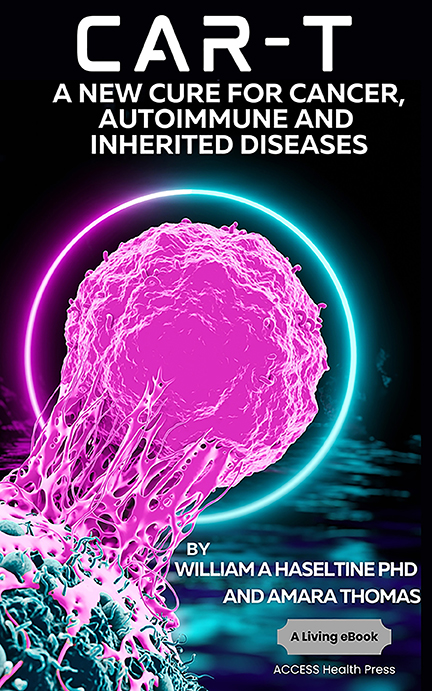
CAR T: A New Cure for Cancer, Autoimmune and Inherited Disease
For most of modern medicine, cancer drugs have been developed the same way: by designing molecules to treat diseased cells. Chimeric Antigen Receptor T cell therapy, commonly referred to as CAR T therapy, is a revolutionary cell-based immunotherapy treatment that breaks this mold.
A patient’s cells are transformed through genetic engineering and reinfused into the bloodstream, allowing the cells to identify and eliminate their targets better than they naturally can. For many patients, this translates to a long-term remission or cure.
aAs an early pioneer in cell therapies using dendritic macrophages to treat prostate cancer, Dr. William Haseltine now sees the immense potential for CAR T. In his latest book, he describes how CAR T cell therapy works, the potential and possibilities of integrating mRNA technology, current uses to treat cancer and ongoing efforts that adapt this system to treat other illnesses, including heart disease, HIV/AIDS and rheumatoid arthritis.
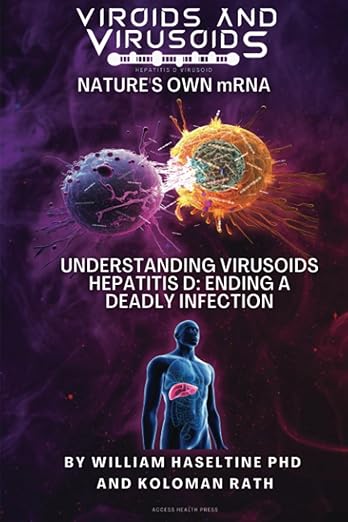
Viroids & Virusoids: Nature’s Own mRNA
Messenger RNA (mRNA) has become a key therapeutic modality. Propelled into the spotlight by the COVID-19 pandemic, vaccines are only the tip of the iceberg: there’s an mRNA revolution on the horizon.
But long before mRNA was thought of as a potential therapeutic drug, nature devised its own transmissible messenger RNA: viroids and virusoids. By studying the mechanisms of these small, naked RNAs, we can learn to increase the efficiency of mRNA.
In his latest book, Dr. William Haseltine explores the world of viroids and virusoids in full detail: from their potential origins in the primordial soup —roughly three to four billion years ago— to the diseases they cause and everything in between. Each step along the way is ripe with implications for fields as diverse as biomedicine and agriculture. In addition to highlighting potential futures for mRNA, the book also discusses how virusoids can help us understand and address the fatal human disease of hepatitis D.
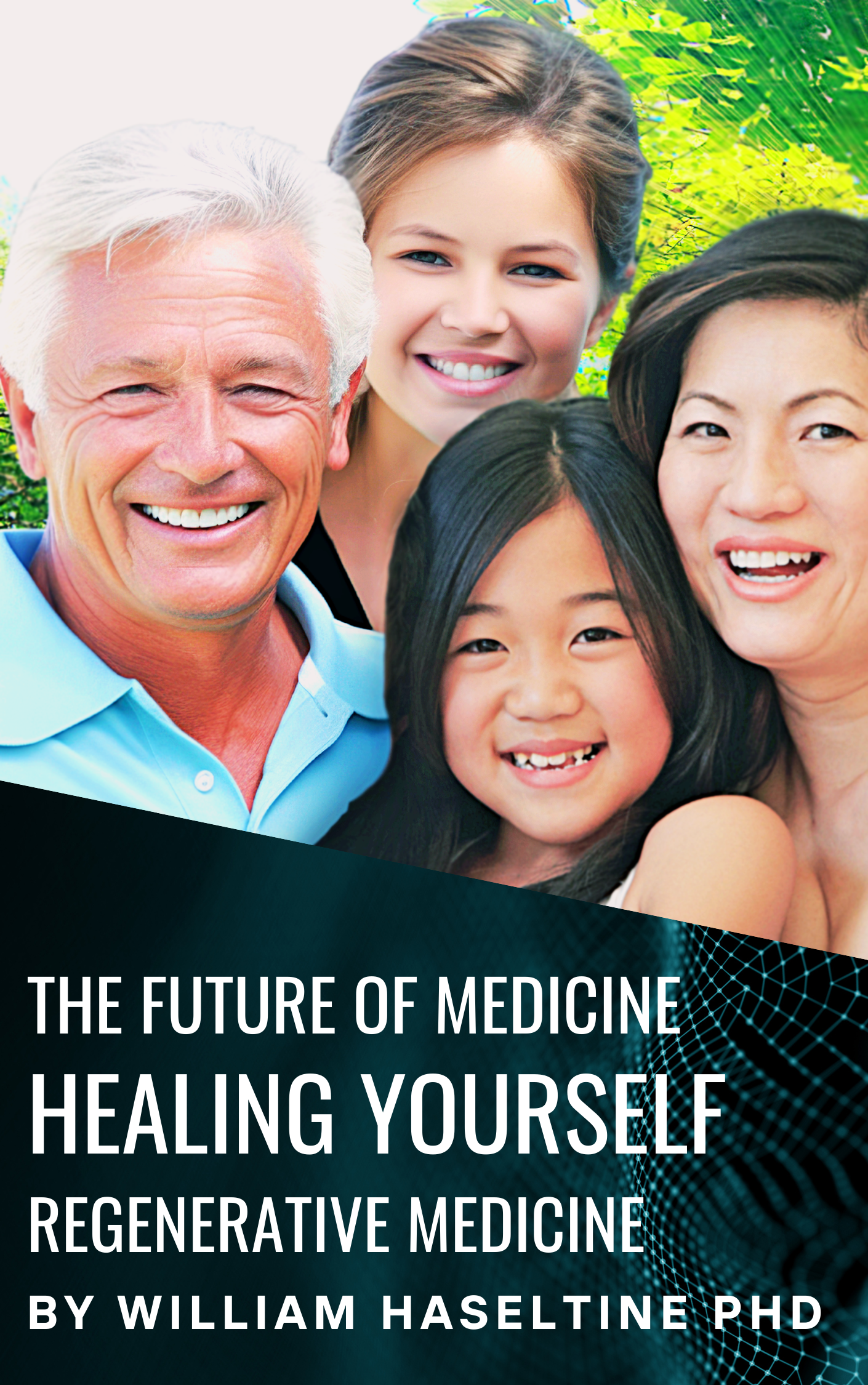
The Future of Medicine: Healing Yourself: Regenerative Medicine
“Dr. William Haseltine first coined the term Regenerative Medicine in 1999, since then, the field has rapidly expanded. By studying our natural healing abilities, we are unlocking new ways to regenerate tissues, improve outcomes, and enhance the quality of life for people across the world.
Whether it involves cell, gene, or protein therapies, or cutting-edge biomechanical interventions, regenerative medicine is revolutionizing the healthcare landscape as we know it.
This book provides an overview of some of the most exciting, emerging areas of Regenerative Medicine, including DNA, antibody, and cellular therapies and organoid and transplant innovations.
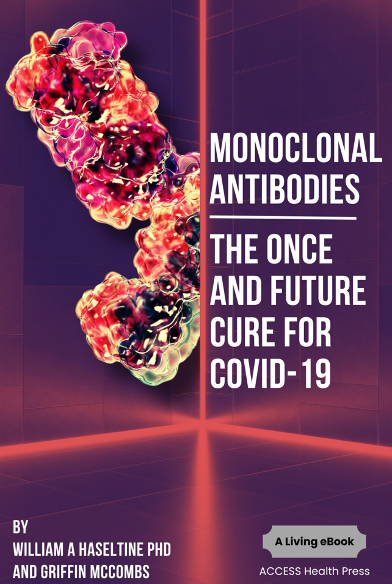
Monoclonal Antibodies: The Once and Future Cure for Covid-19
“Dr. William Haseltine first coined the term Regenerative Medicine in 1999, since then, the field has rapidly expanded. By studying our natural healing abilities, we are unlocking new ways to regenerate tissues, improve outcomes, and enhance the quality of life for people across the world.
Whether it involves cell, gene, or protein therapies, or cutting-edge biomechanical interventions, regenerative medicine is revolutionizing the healthcare landscape as we know it.
This book provides an overview of some of the most exciting, emerging areas of Regenerative Medicine, including DNA, antibody, and cellular therapies and organoid and transplant innovations.
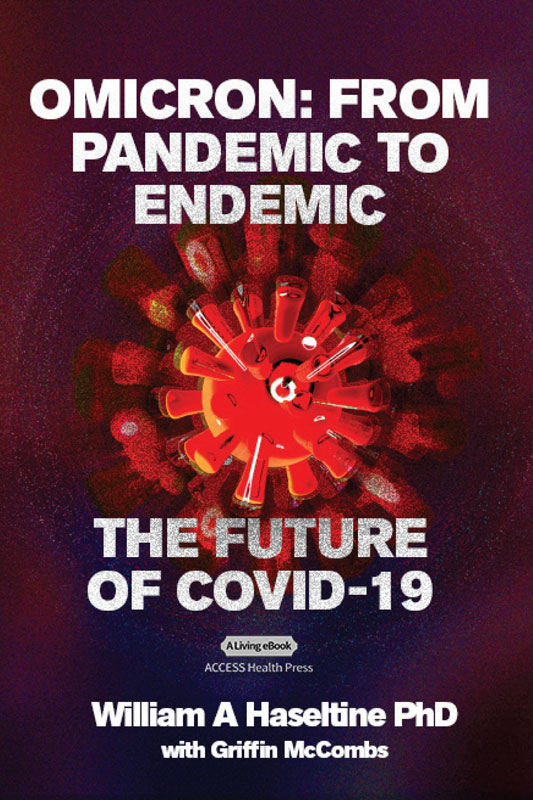
Omicron: From Pandemic to Endemic
Covid-19 has challenged and upended many common notions around viral infection. The Omicron variant is likely the most infectious virus since the 1918 influenza pandemic with over 200 million cases currently confirmed worldwide. As many as a third of the global population may have been infected with the Omicron variant, considering unreported cases and asymptomatic carriers.
In his latest book, bestselling author William A. Haseltine and co-author Griffin McCombs offers a detailed analysis of how the Omicron variant evolved to evade our best defenses and provides a roadmap for how we might protect ourselves against future variants.
Omicron: From Pandemic to Endemic (ACCESS Health Press, April 2022) collects insights from the latest research on the entire family of Omicron variants and explains the lessons that we need to implement in our public health and medical practices going forward. While many governments and citizens alike are growing weary of protective Covid-19 measures, Haseltine argues that this is not the time to let our guard down. The increasing transmissibility of the Omicron variant demonstrates the immense capacity for evolution by this virus. In terms of lethal potential, SARS-CoV-2 sits on a knife’s edge, one unlucky point mutation away from becoming substantially more dangerous.
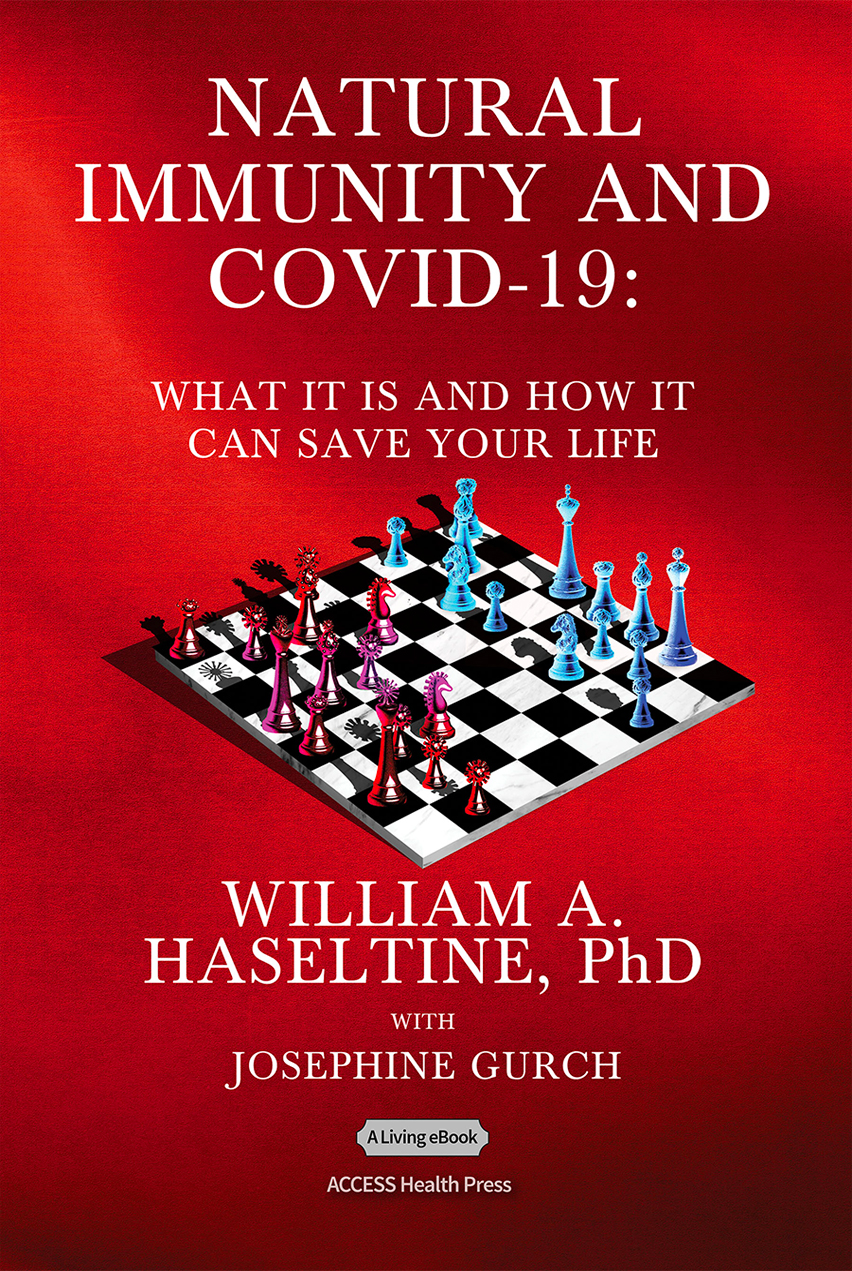
Natural Immunity And Covid-19: What It Is And How It Can Save Your Life
Understanding our natural immunity to the SARS-CoV-2 virus is critical to understanding the Covid-19 pandemic and serves as a guide to what more we can do to protect ourselves.
The natural immune system is what equips the body with the tools necessary to counter new threats from the microbial world and prevent severe disease. Only when these natural protections fail do we succumb to critical illness or death. How natural immunity functions has eluded our understanding—until now.
This book collects insights from a fast-growing body of scientific research on the next frontier of pandemic control, not just for Covid-19 but existing and future infectious diseases. We now find ourselves in a uniquely challenging stage of the pandemic, without a long-lasting vaccine and facing a virus that evolves rapidly to become more transmissible and to defeat our best attempts at prevention and treatment. Haseltine argues that one way forward is to develop drugs that strengthen our natural immune defenses and keep vulnerable populations protected and healthy against existing and future variants.
The book maps out how the body mobilizes its natural defenses against SARS-CoV-2. It also describes the virus’s extensive set of countermeasures. Strengthening the natural immune system and devising means to thwart the virus’s countermeasures opens a golden path to prevention and treatment of Covid-19.
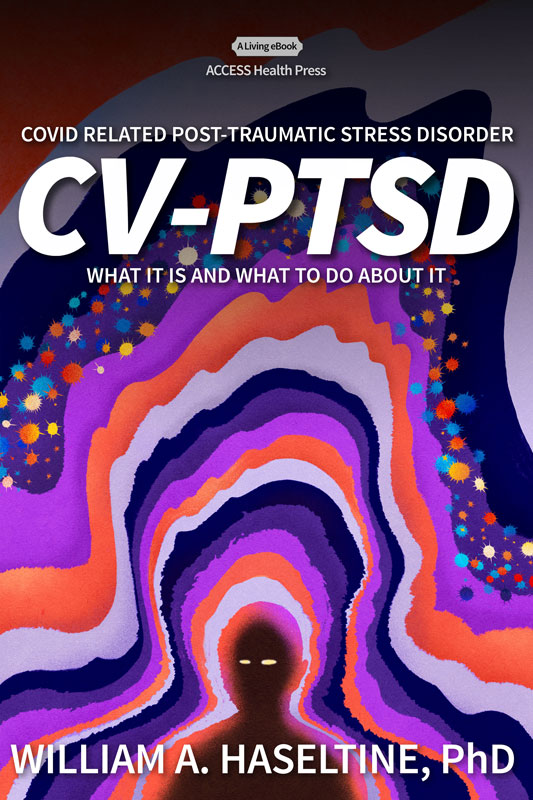
COVID-Related Post-traumatic Stress Disorder (CV-PTSD): What It Is And What To Do About It
In CV-PTSD: What It Is and What To Do About It, bestselling author William A. Haseltine gives us a name for the trauma we have experienced throughout the pandemic, both individually and collectively: Covid Related Post Traumatic Stress Disorder (CV-PTSD). In addition to outlining the shape of our shared experience, the book also lays out a comprehensive road map to help us plot a course to rebuild our societies, better and healthier than they were before.
CV-PTSD encompasses the full effects of all we’ve endured over the past year and half, which is manifested daily in rising rates of depression, anxiety and drug addiction, the ongoing loss of academic opportunities for the young, as well as the widening fissures, political and cultural, within society. These problems-social, emotional, economic, political-will not be remedied quickly. We will be living with the effects for many years to come.
The book makes the case for CV-PTSD to be a diagnosable disorder in the classification of disease. Officially naming and coding the diagnosable condition is a first step towards developing treatments and therapies, making these treatments available to patients and communities at an affordable price, and moving beyond purely medical solutions, to also embrace a socio-economic approach to mental health.
Each chapter of the book explores the effects of the pandemic on different groups, such as schoolchildren, parents, healthcare workers, and caregivers. Taken together, the work is an urgent call to action for policymakers, healthcare leaders and patients themselves to recognize the symptoms of our shared experience and to find new opportunities to rebuild society more completely and compassionately than before.
CV-PTSD is a Living eBook, updated regularly with new information as it unfolds. When a reader purchases a copy of the book, either in print or online, they will receive a passcode that will give them online access to every subsequent edition of the book. Readers who have already purchased a copy, visit www.williamhaseltine.com/cvptsd to access the newest edition.
Stay Young Navigators: Seniors Caring For Seniors and The Pursuit Of Active Aging
Stay Young Navigators: The Pursuit of Active Aging and Seniors Caring for Seniors explores an innovative approach to elder care created by elders themselves. Based on discussions with the younger old and the older old, Stay Young Navigators describes a community of care and support that is made up by seniors caring for other seniors. Though aging is inevitable, the physical and mental suffering that often accompanies the aging process is not. Seniors can stay active, healthy, and socially and economically engaged throughout their entire lives, if the right structures and support are in place. Stay Young Navigators reframes the common perceptions of aging and demonstrates the clear benefits of keeping seniors actively engaged in their communities.
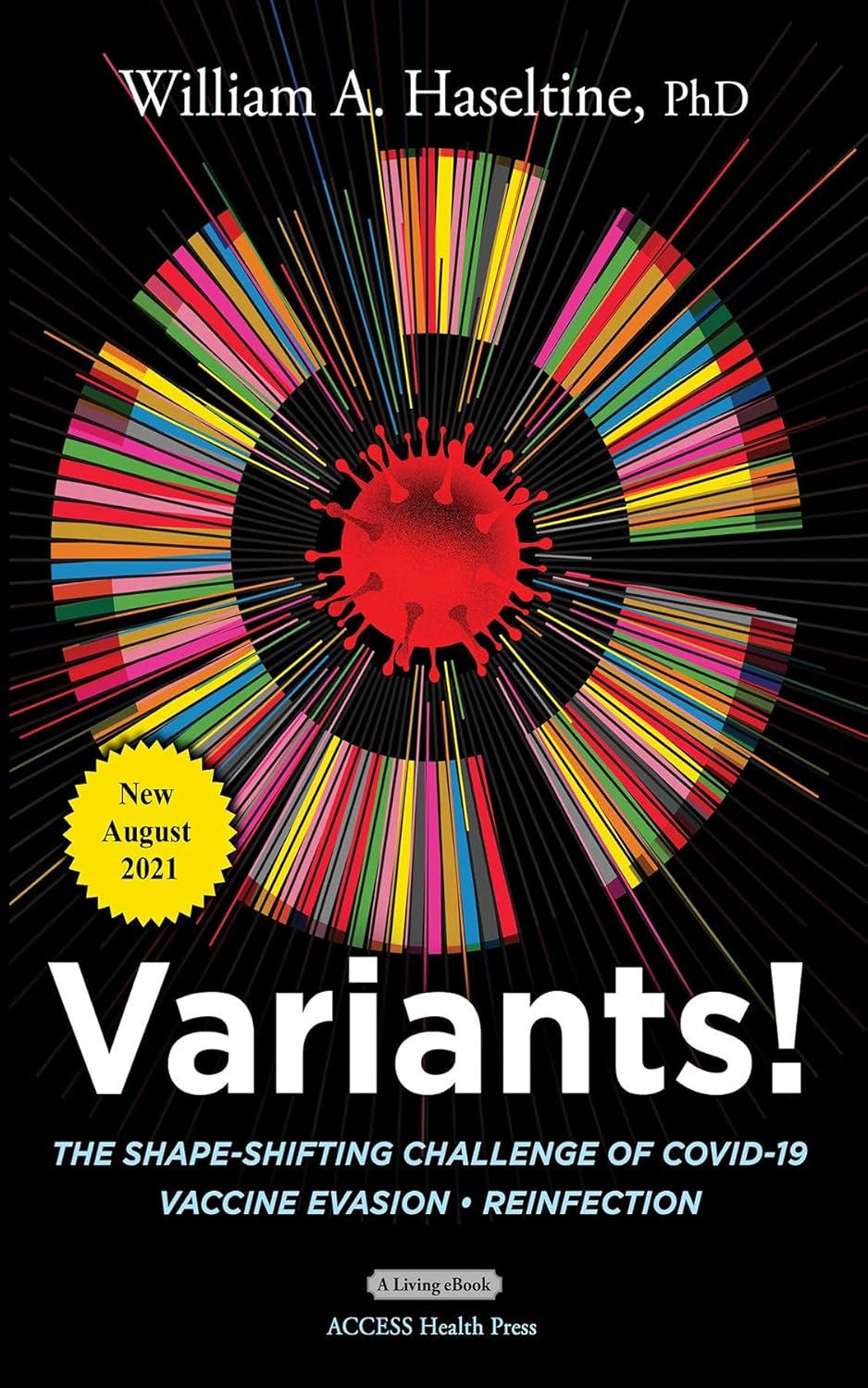
Variants!: The Shape-Shifting Challenge of Covid-19 Vaccine Evasion & Reinfection
People live in a sea of viruses. All creatures are host to these small organisms, which are made up of small bits of genetic information. Viruses are possessed by a drive to survive, but in order to reproduce they must invade a living cell.
Dr. William A. Haseltine, PhD, has spent a lifetime studying viruses and their ability to adapt and flourish within an ever-changing environment. In Variants! The Shape-Shifting Challenge of COVID-19, Dr. Haseltine turns his focus to SARS-CoV-2, the virus that causes COVID-19. The variant forms of this coronavirus risk an even greater disruption to our lives, our economy, and the health and wellbeing of hundreds of billions worldwide.
Variants! is a collection of Dr. Haseltine’s writings and research on COVID-19 and SARS-CoV-2 mutations and variants. The book is a Living eBook, updated regularly with new information as it unfolds. When a reader purchases a copy of the book, either in print or online, they will receive a special passcode that will give them online access to every subsequent edition of the book, as it is released.
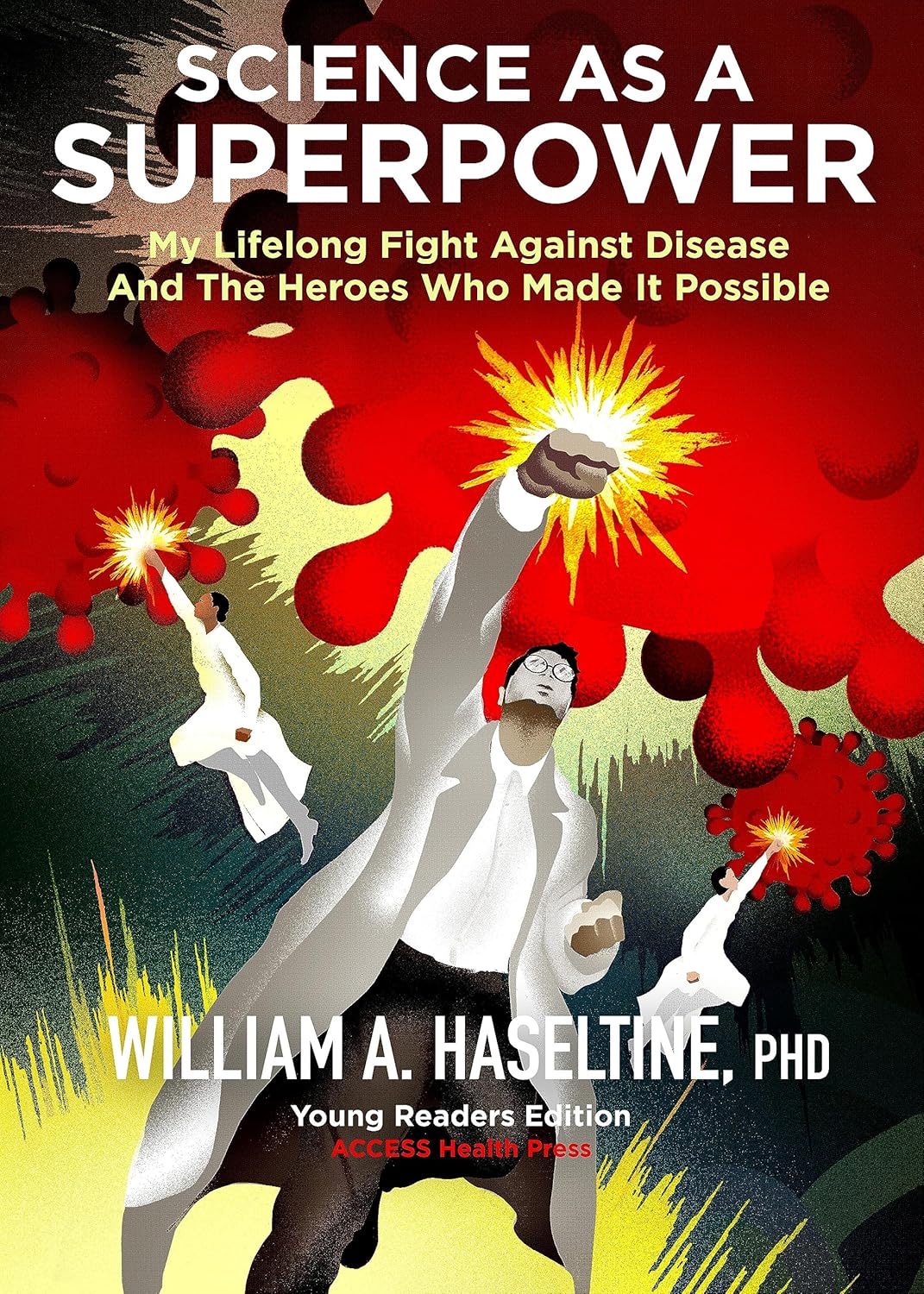
Science as a Superpower: My Lifelong Fight Against Disease And The Heroes Who Made It Possible
When you think about superheroes, what comes to mind? Muscle-bound men and women adorned in capes or hi-tech armor? Superhuman abilities like flying or x-ray vision?
It’s unlikely you thought of people in white lab coats looking through microscopes. But in real life, science is the most powerful superpower in the world. Think about it. Scientists have used their powers to make the once impossible happen: cure diseases, extend human life, feed the world, and bring us to outer space and beyond. They are, indeed, modern-day superheroes, saving and improving millions of lives.
Dr. William Haseltine — or Dr. Bill, as his friends call him — discovered the power of science at an early age. And now in his new book, Science as a Superpower: My Lifelong Fight Against Disease and the Heroes who Made it Possible, he shares his love of science with the hope of inspiring young people to pursue a life in science and someday make their own contributions to improve human life. Woven throughout are stories of his work with some of recent history’s biggest scientific heroes, and of his many successes (and failures) as he learned how to harness the superpower that is science to build a successful — and deeply impactful — career of his own.
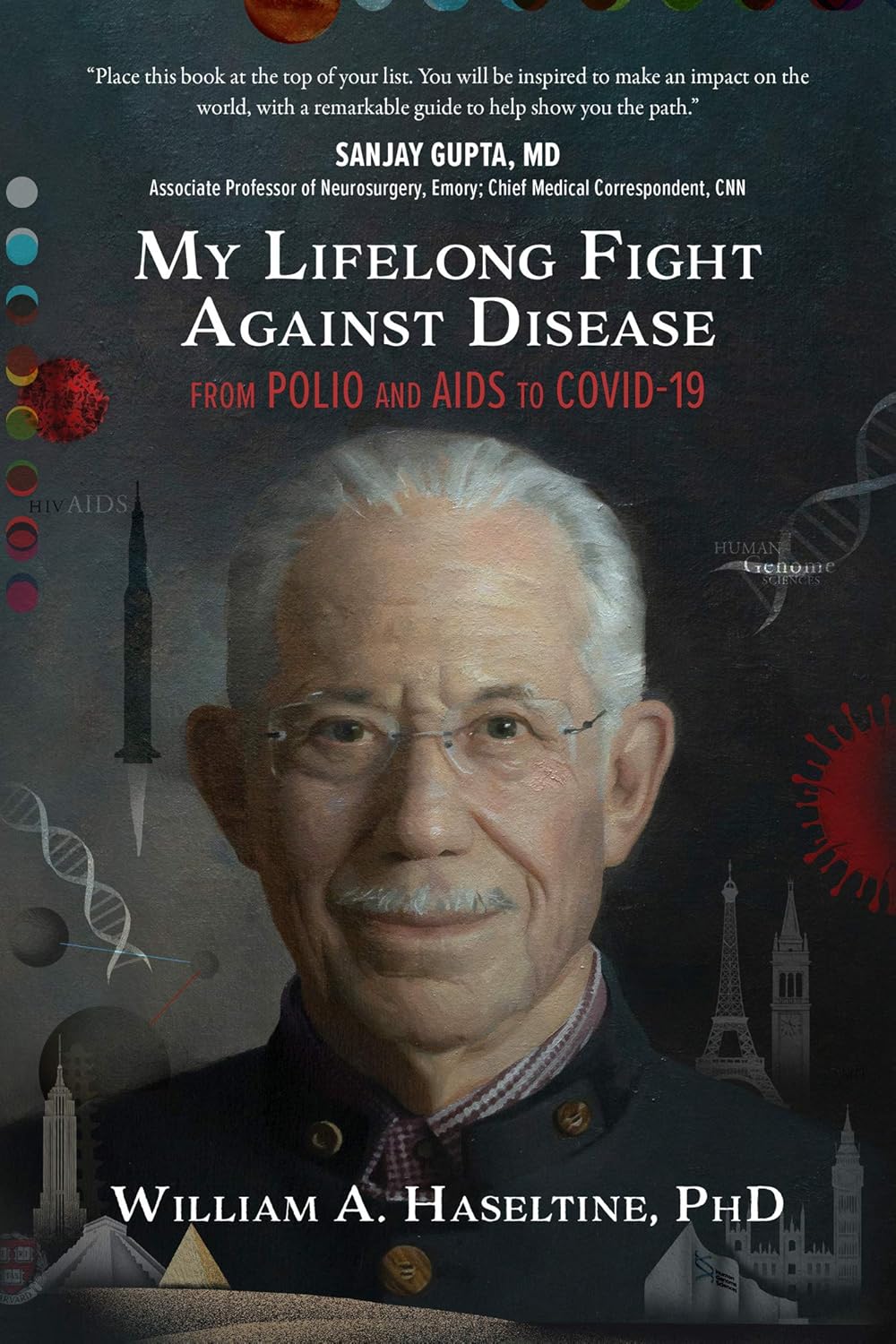
My Lifelong Fight Against Disease: From Polio and AIDS to Covid-19
Anticipating a career in medicine, Dr. William A. Haseltine was in his first weeks of graduate studies at Harvard when a legendary physician-scientist offered this advice: “You can do more for human health through science than you ever could as a doctor.” That advice hit him “like a thunderbolt”—and he took it.
Since then, Dr. Haseltine has helped combat cancers, worked to contain the HIV/AIDS pandemic, and unlocked the power of the human genome to develop dozens of new pharmaceutical cures. His discoveries in molecular biology and genomics, amplified through his counsel at the highest levels of government and in the public eye, have improved the health and lives of millions of people around the world.
For the first time, Dr. Haseltine tells his life story—which is still unfolding—in My Lifelong Fight Against Disease, including facing devastating public health crises such as the COVID-19 pandemic, and highlighting exhilarating moments of medical discovery. In writing the story of his wide ranging career, Dr. Haseltine’s goals are simple: to encourage the next generation to make their own significant contribution to human life, and for all readers to appreciate science as a humanistic enterprise. A compulsively readable and fast paced insider’s account of some of the most brilliant medical breakthroughs in modern history, My Lifelong Fight Against Disease is a candid, evocative, and ultimately revelatory exploration into what it means to make science your life.
Covid Commentaries: A Chronicle of a Plague, Volumes I, II, III, IV, V, and VI
After a lifetime spent in science, medicine, and pursuing better public health, Dr. Haseltine is once again logging eighteen-hour days battling a new and still somewhat unknown disease. His opinions on the course of the pandemic are sought regularly by major broadcast news networks and print media. The COVID Commentaries is a collection of Dr. Haseltine’s writings, research, and interviews on COVID-19
Links for Book 1
Links for Book 2
A Covid Back To School Guide: Questions and Answers for Parents and Students
Parents and students today are faced with an agonizing decision-send kids back into the classroom in the midst of a pandemic or keep them at home, straining the emotional bandwidth of families that have already been pushed to the limit during lockdown.
Many parents and students feel alone in making their decision, unsure whether schools being open equates to them being safe. A Covid Back To School Guide: Questions and Answers for Parents and Students answers the most pressing question facing parents and students today-is it really safe to go back to school?
Answering that question will never be simple, at least not until the pandemic is over, but A Family Guide to Covidprovides insight that might make the choice a little easier. In the book, Dr. Haseltine walks readers through a simple three step rule of thumb that every family can use to come to the decision that is best for them: What is our student’s risk of becoming infected? What is our family’s risk of severe illness? And is our school doing enough to protect students from an outbreak on campus?
Each chapter of the book is followed by a series of questions and key takeaways to help parents and students evaluate their risk-questions to ask themselves, their school administrators, and their local leaders. While the question of going back to school is not a simple one, this book simplifies the steps needed to arrive at an answer.
Like A Family Guide, the Back To School Guide is a living book that will be updated as our understanding of the disease and the nature of the outbreak changes. When you purchase a copy of the book, either in print or online, you will receive a special passcode that will give you online access to every subsequent edition of the book, as it is released. The first edition of the book is focused primarily on public schools serving students from kindergarten to grade 12. Subsequent editions will address the unique challenges students attending private schools and colleges will face.
United Nations Secretary-General Antonio Guterres warned recently that the world is facing a “generational catastrophe” because of Covid-19 school closures. As Dr. Haseltine puts it, “Our children and grandchildren will one day look back and remember a time when disease stalked the streets and changed their life. My hope is that something good comes of their experience and that they will be inspired to dedicate their lives to learning about science and medicine-whether in schools or learning remotely at home-so that their own children and grandchildren might never have to endure what they did.”

A Family Guide to Covid: Questions and Answers for Parents, Grandparents, and Children
In A Family Guide to Covid, William A. Haseltine answers tough questions about Covid-19 honestly, with equal measures of clarity and compassion. A new disease has spread across our world. Schools have shut down, people around the world have been asked to stay home, businesses are shuttered, economies are crashing.
The sad state of affairs is not entirely new for Dr. Haseltine who remembers how polio overshadowed his young life. As he got older, he realized that diseases didn’t just harm individuals, they crippled communities and devastated entire countries. He became a scientist, dedicating his life to understanding the diseases that threaten us most and figuring out ways to stop and prevent them. Today, Dr. Haseltine finds that his children, his grandchildren and many of his friends and extended family members are coming to him with question after question. Why have our lives changed? Are my children in danger? When will this be over? Will there be a vaccine or a cure and if so, when? When will our lives return to normal? This book attempts to answer those questions about COVID-19 honestly, with equal measures of clarity and compassion. It is written especially for those who are faced with the difficult task of not only protecting themselves, but of protecting their families, their children, their spouses, and their parents. Split into two sections, the first section seeks to give answers to questions that children and grandchildren may ask. Each question has in fact been asked by someone under twelve, some as young as four and five. The second section provides short answers to many of the difficult questions adults from ages eighteen to one hundred and ten ask themselves to understand this new reality. Again these are real questions people have asked. As our understanding of Covid-19 evolves, so too will this book. When a purchase is made, readers will be given entry to a password protected section of Dr. Haseltine’s website. There, readers can download subsequent editions freely and have the most up to date answers to the most critical Covid questions of the day. As Dr. Haseltine sees it, “Our children and grandchildren will one day look back as I do and remember a time when disease stalked the streets and changed their life. My hope is that some of those children will be inspired to dedicate their lives to science and medicine so that their own children and grandchildren and for that matter no child anywhere should have to endure what they did.”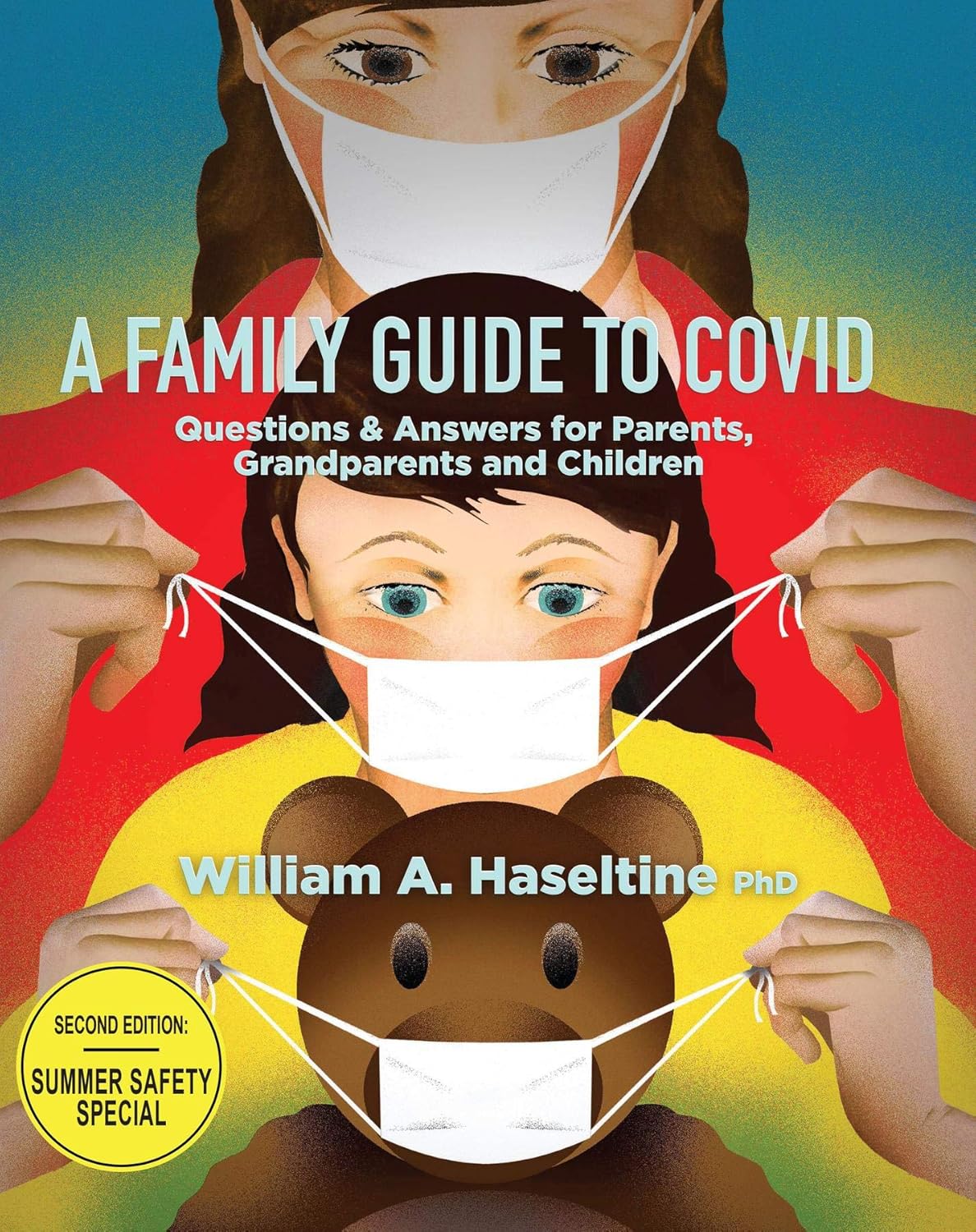
A Family Guide to Long Covid: Questions and Answers
One in five adults infected with Covid-19 are now experiencing Long Covid symptoms. As more people are affected and awareness of the condition grows, many are searching for answers to their questions about Long Covid. What is Long Covid? How is it different from a Covid infection? What are the symptoms? Who is affected? How do I talk to my doctor about Long Covid? How can I advocate to get the care I need?
Infectious disease expert, Dr. William Haseltine answers these questions and more in A Family Guide to Long Covid (ACCESS Health Press, July 2022). Continuing in the accessible question and answer style of the best-selling, A Family Guide to Covid the book provides straightforward answers about all aspects of Long Covid with equal measures of clarity and compassion.
A Family Guide to Long Covid: Questions and Answers covers everything you need to know about Long Covid from symptoms and diagnosis to treatment and how different populations are affected. It serves as a resource that patients can use to advocate for their care and a guide for those who want to understand, prepare, and protect their families and friends.
A timely, go-to guide from an internationally renowned scientist. Bill’s compassion and determination to help people of all backgrounds is a gift to the world. – Donna Tetreault, National Parenting Journalist and Best-Selling Author
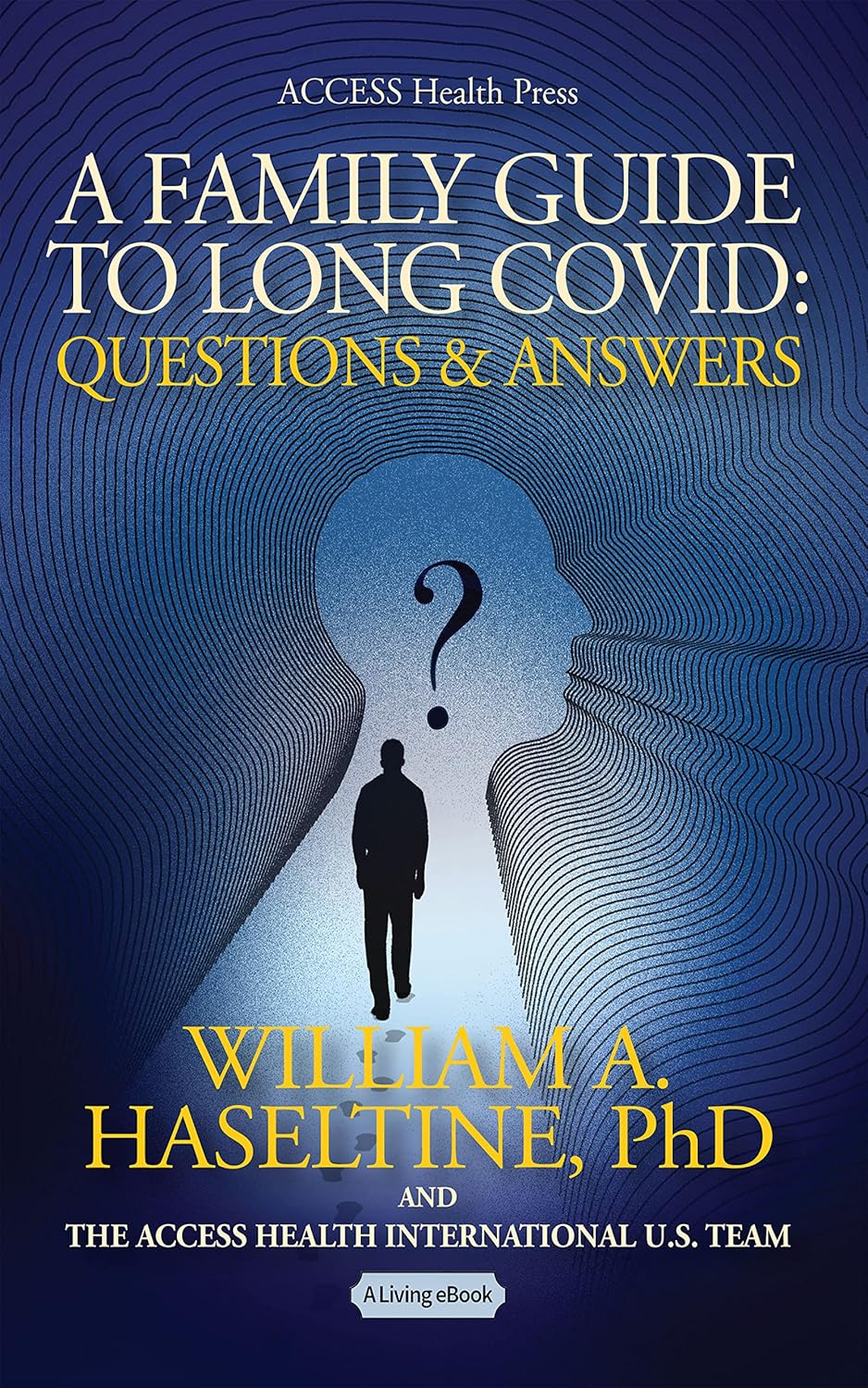
World Class. Adversity, Transformation, and Success, and NYU Langone Health
A World Class Transformation On August 16, 2018, NYU Langone Health captured the attention of the medical world with the surprise announcement that all current and new medical school students would receive full tuition scholarships. That bold move is yet another giant step in the transformation of NYU Langone Health from a faded and money losing medical institution to an innovative world class institution with a highly regarded hospital, medical school, and research program.
How did NYU Langone go from mediocrity to global leadership in less than a decade? In World Class, internationally renowned author, scientist, business leader, and philanthropist Dr. William A. Haseltine answers this question and many more. Based on first hand in-depth interviews with those that led the change, World Class provides a vivid account of the transformation of NYU Langone Health and its rise to preeminence. Haseltine gives his readers a step-by-step guide for anyone wishing to achieve similar excellence at their institution, whether that be at a medical facility, school, business, or nonprofit organization. World Class offers crucial lessons at a critical time, as both high and low income nations grapple with how do deliver effective healthcare at a manageable cost.
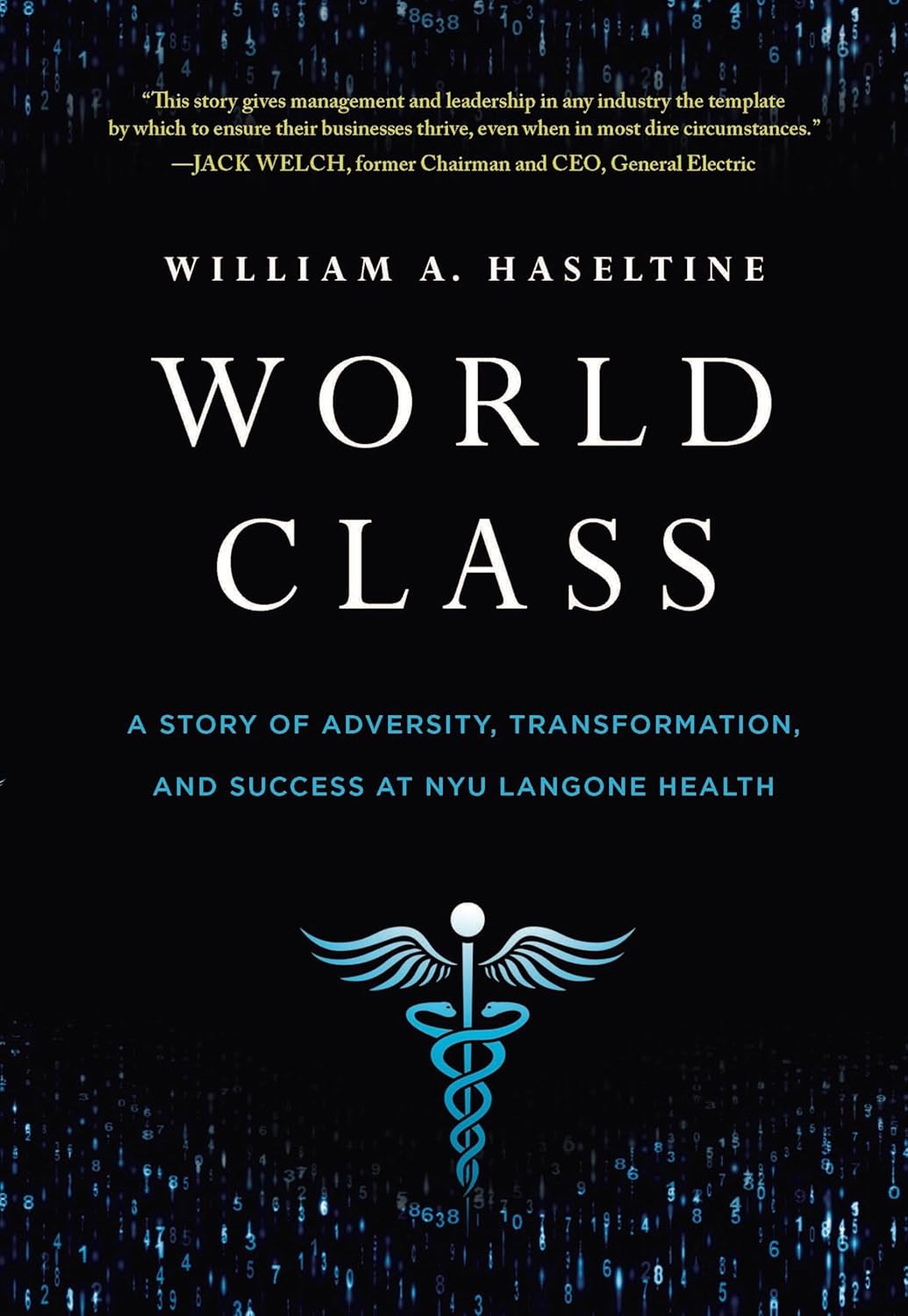
Aging Well
This open-access book outlines the challenges of supporting the health and well-being of older adults around the world and offers examples of solutions designed by stakeholders, healthcare providers, and public, private and nonprofit organizations in the United States. The solutions presented address challenges including: providing person-centered long-term care, making palliative care accessible in all healthcare settings and the home, enabling aging-in-place, financing long-term care, improving care coordination and access to care, delivering hospital-level and emergency care in the home and retirement community settings, merging health and social care, supporting people living with dementia and their caregivers, creating communities and employment opportunities that are accessible and welcoming to those of all ages and abilities, and combating the stigma of aging. The innovative programs of support and care in Aging Well serve as models of excellence that, when put into action, move health spending toward a sustainable path and greatly contribute to the well-being of older adults.
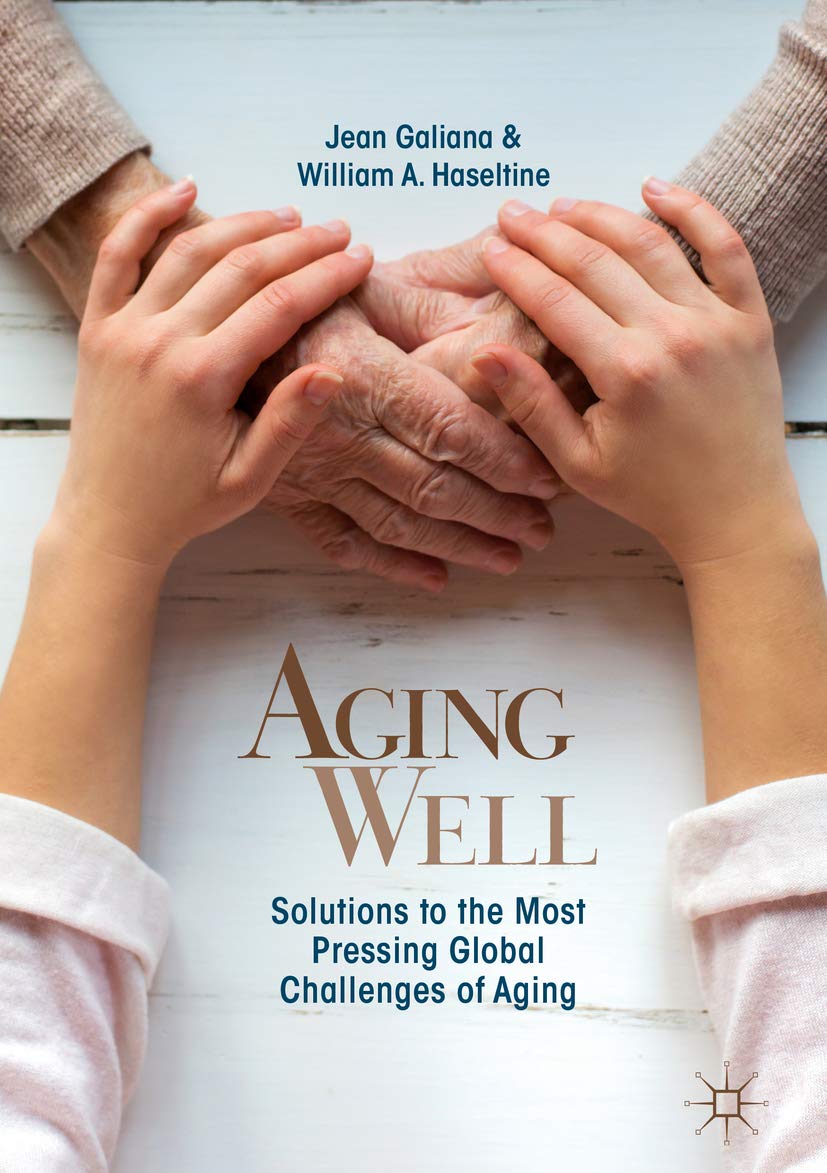
Voices in Dementia Care
Cognitive disorders take a toll on everyone—the person living with the condition, their family, friends, caregivers, and the communities they live in. Most of the public’s interest has been in the medical research area for this devastating disease, and advice is desperately needed from those who have created innovative solutions with their own first-hand experience.
Voices in Dementia Care is based on a series of interviews with dementia care experts across Europe and the United States and with people living day-to-day with the condition. It provides an intimate look at the challenges of delivering high-quality dementia care with limited resources. The book provides readers a list of best practices that can be adapted and applied in the home and in institutional settings. Voices in Dementia Care is a must-read for anyone caring for loved ones with Alzheimer’s, dementia, or other cognitive disorders.
From Voices in Dementia Care—
In these pages, we include transcripts of our interviews with the elder care and long-term care providers we have interviewed about dementia care. The voices of these care professionals are important to hear in their entirety, as they describe the nuances of the challenges inherent in delivering innovative high quality dementia care with limited resources.
Based on our analysis of these interviews, we have identified the critical best practices that we believe all elder and long-term care providers should consider when delivering care to people living with dementia. These best practices can be adapted and applied by the informal caregiver as well—the sister, brother, child, or other loved one who may be responsible for caring for a person living with dementia outside of a traditional care environment.
Every Second Counts: Saving Two Million Lives. India’s Emergency Response System. The EMRI Story
How a public-private partnership led to the largest emergency response system in the world. Emergency medical response systems are a critical component of any nation’s healthcare system. Minutes or even seconds can mean the difference between life or death. Every Second Counts tells the inspiring story of how the Indian government and a non-profit foundation, the Emergency Management and Research Institute (EMRI), partnered to create a world-class emergency response system that serves more than 700 million people and has saved more than 2 million lives.
What the government of India achieved in partnership with EMRI is nothing short of groundbreaking. In Every Second Counts, William A. Haseltine describes the key factors behind the success of EMRI: the application of cutting-edge technologies, an outstanding medical education system, and a close working partnership between a well-intentioned government and a capable non-profit partner.
Every Second Counts is an important book for policymakers, business leaders, and healthcare leaders who care about providing high-quality care at affordable costs to all those in need.
Aging with Dignity: Innovation and Challenge is Sweden-The Voice of Care Professionals
Demographic change is a defining issue of our time. As the worldwide population ages, the healthcare systems of every country will meet challenges of scale in providing for their elderly. Aging with Dignity: Innovation and Challenge in Sweden: The Voice of Elder Care Professionals is a study in the future of elder care through the lens of the Swedish healthcare system. Over one year, ACCESS Health has conducted extensive interviews with more than thirty elder care professionals in Sweden. Aging with Dignity collects these in depth interviews alongside summary chapters and analysis.
Modern Aging: A Practical Guide for Developers, Entrepreneurs, and Startups in the Silver Market
Modern Aging: A Practical Guide for Developers, Entrepreneurs, and Startups in the Silver Market summarizes lectures by experienced business leaders in the elder care sector who shared their expertise as part of the Modern Aging program in Sweden. ACCESS Health Sweden founded the Modern Aging program to encourage entrepreneurs to serve the needs of the elderly and of the chronically ill. This concept is successful because it attracts entrepreneurs to sectors that stand to benefit from technology and innovation. This concept was later replicated in Sweden by other organizations.
Modern Aging presents a clear, easy to read summary of the presentations by leading Swedish entrepreneurs, business leaders, and academics. The text captures the vibrant presentations and question and answer sessions. Topics include ideas for aspiring entrepreneurs, accounting for startups, how to create sustainable businesses, how innovative products enter the elder care sector, and crowdfunding.
The purpose of this publication is to share the information from the lectures with a wider audience. The global ACCESS Health team hopes that the lectures will inspire entrepreneurs in different countries to serve the needs of the elderly and of the chronically ill. The lectures contain valuable information and transferable skills for entrepreneurs in Sweden and globally. ACCESS Health plans to replicate and expand the Modern Aging project in Europe, in the United States, and in Asia. ACCESS Health Singapore will launch a new version of Modern Aging in August 2015.
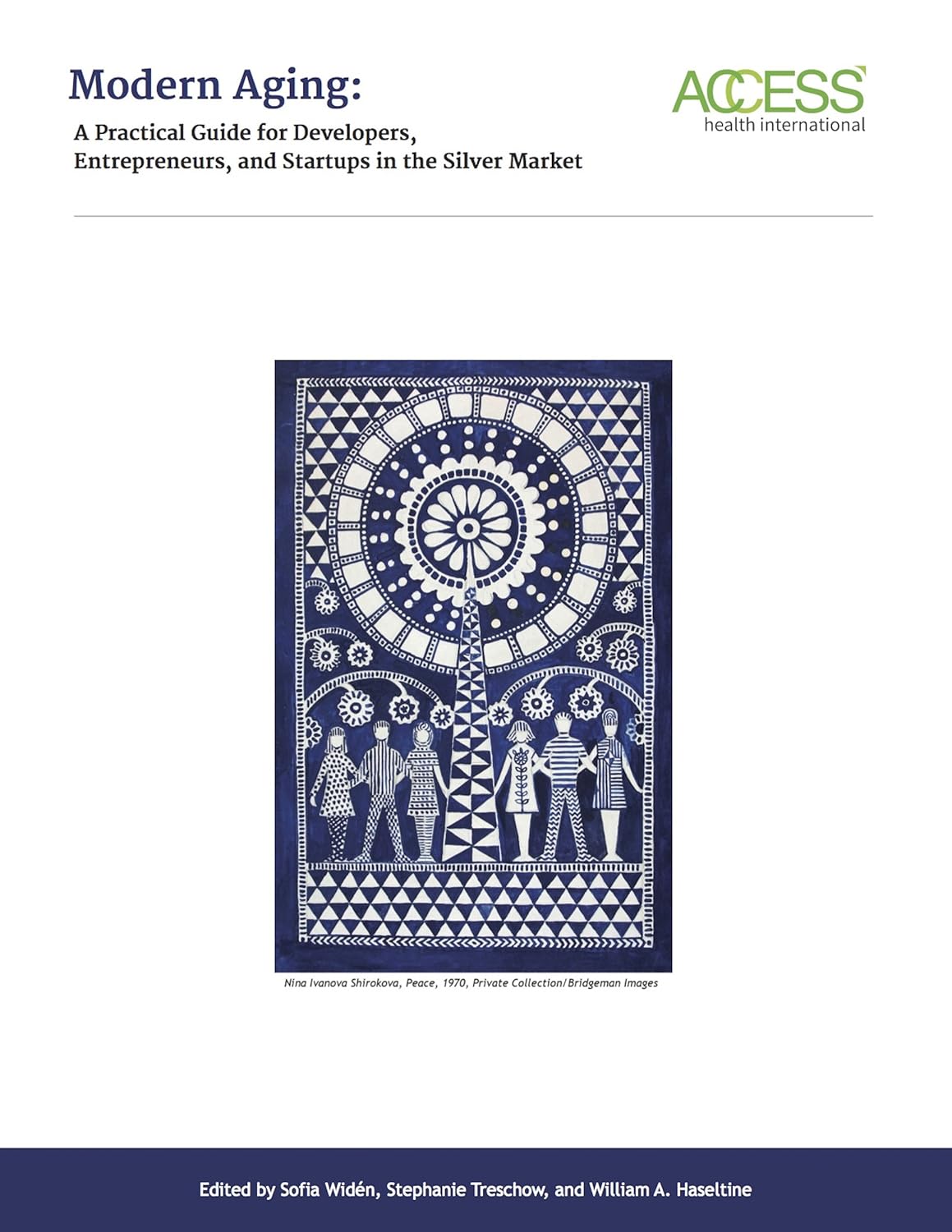
Improving the Health of Mother and Child: Solutions from India
In India, many private sector organisations are experimenting and innovating to ensure low-cost maternal and child healthcare services of high quality. There is a growing interest, around the world, in the new practices being developed by these organisations. In this compendium, ACCESS Health International and the Indian School of Business have identified and documented some of these organisations and their successful interventions. This book can serve as a repository of information for healthcare providers, policy makers, researchers and other stakeholders who are interested in new approaches to maternal and child healthcare services. The book as an introduction followed by individual case studies of the organisations. The final chapters provide an overview of common challenges and innovative approaches and strategies for improved access, affordability and quality of care.
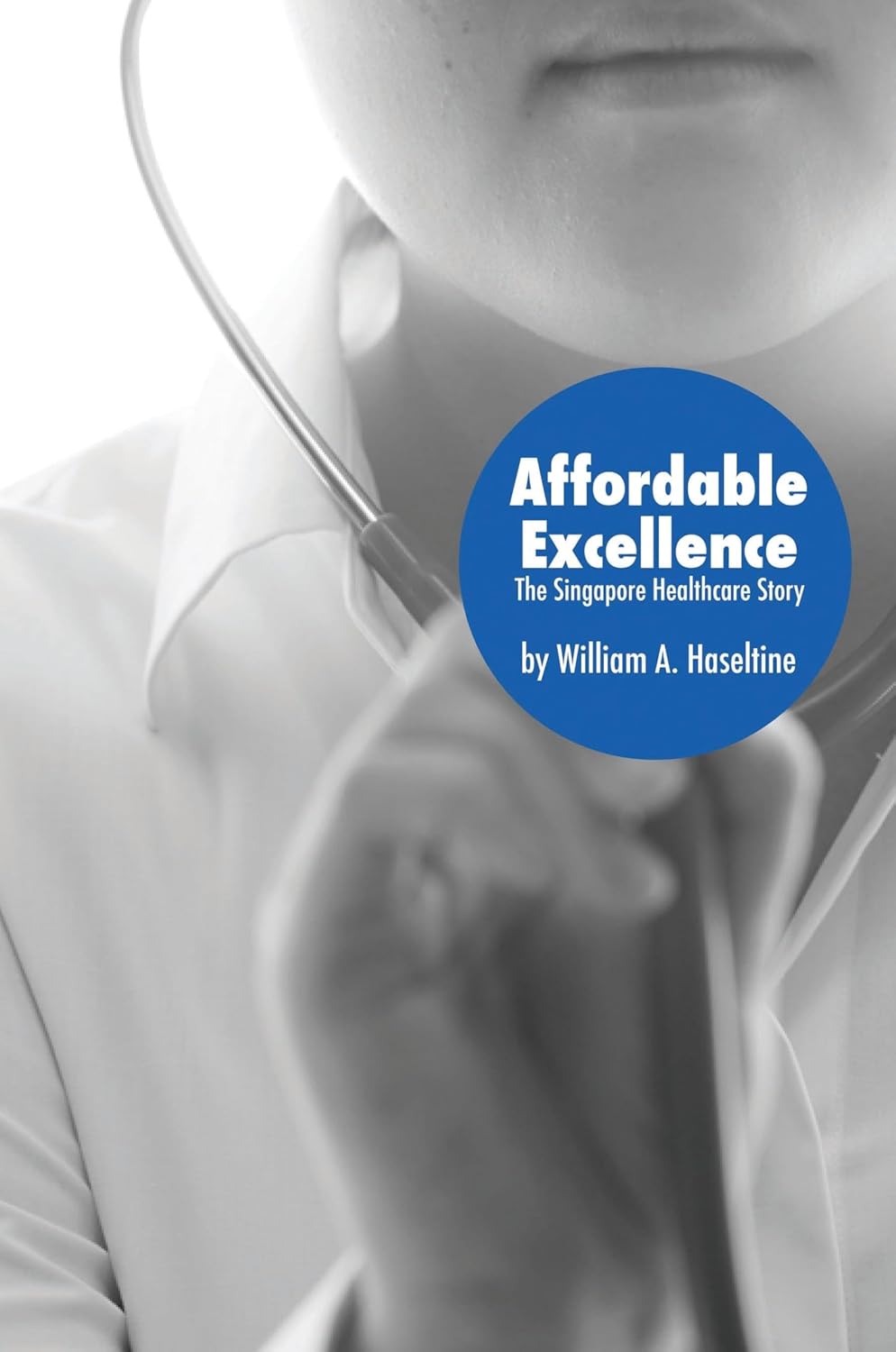
Affordable Excellence: The Singapore Healthcare Story
A Brookings Institution Press and the National University of Singapore Press publication. This is the story of the Singapore healthcare system: how it works, how it is financed, its history, where it is going, and what lessons it may hold for national health systems around the world. Singapore ranks sixth in the world in healthcare outcomes, yet spends proportionally less on healthcare than any other high-income country. This is the first book to set out a comprehensive system-level description of healthcare in Singapore, with a view to understanding what can be learned from its unique system design and development path.
The lessons from Singapore will be of interest to those currently planning the future of healthcare in emerging economies, as well as those engaged in the urgent debates on healthcare in the wealthier countries faced with serious long-term challenges in healthcare financing. Policymakers, legislators, public health officials responsible for healthcare systems planning, finance and operations, as well as those working on healthcare issues in universities and think tanks should understand how the Singapore system works to achieve affordable excellence.
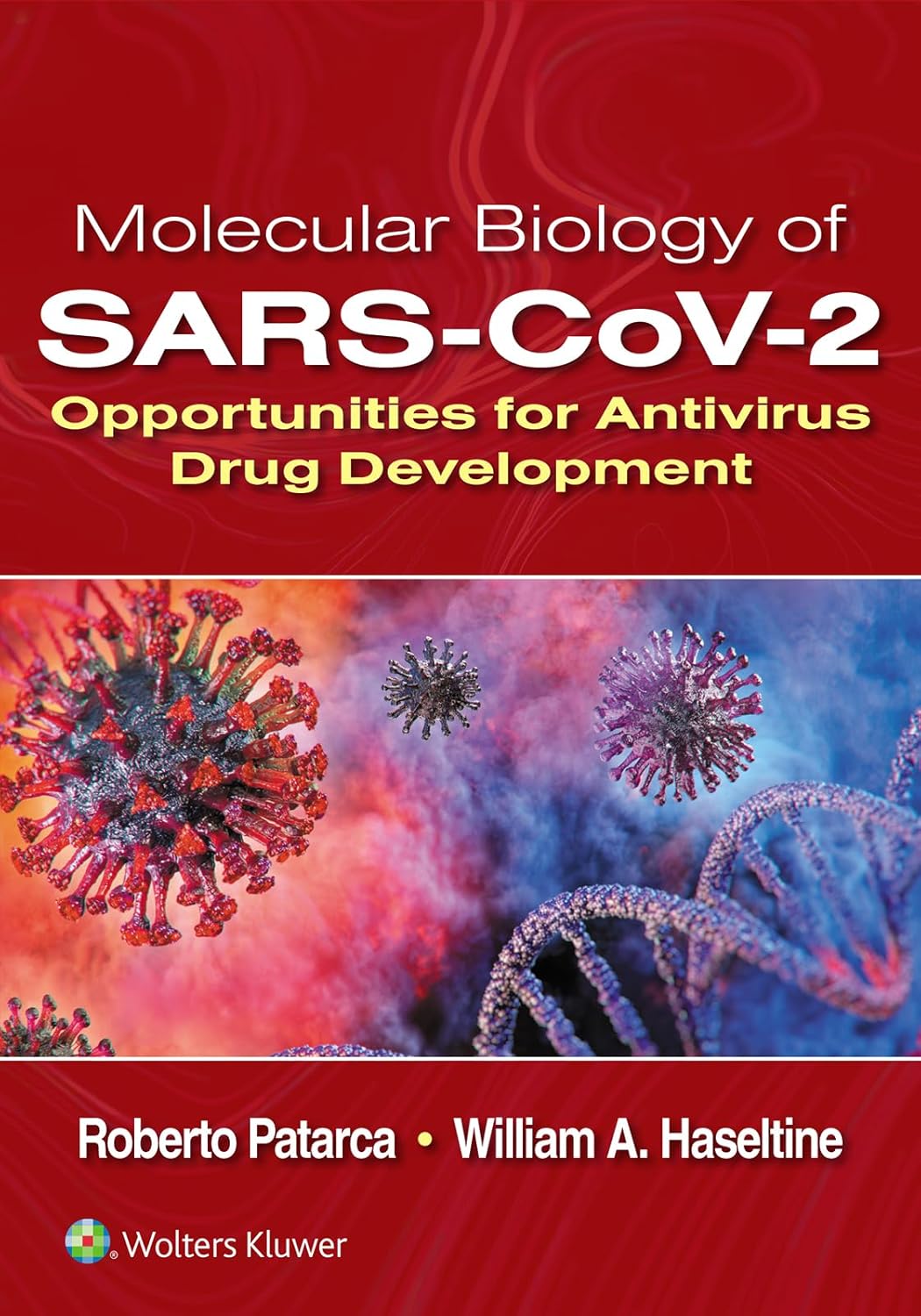
Molecular Biology of SARS-CoV-2: Opportunities for Antivirus Drug Development
Offering a thorough, accessible overview of the basic science and clinical data regarding the virus that causes COVID-19, Molecular Biology of SARS-CoV-2 is an excellent resource for researchers, clinical scientists, physicians, and students. This volume offers in-depth, extended content that originated with Drs. Roberto Patarca’s and William A. Haseltine’s chapter in The COVID-19 Textbook, edited by Dr. Haseltine and Dr. Patarca. The greatly expanded material in this text provides a much-needed primer in this complex area.
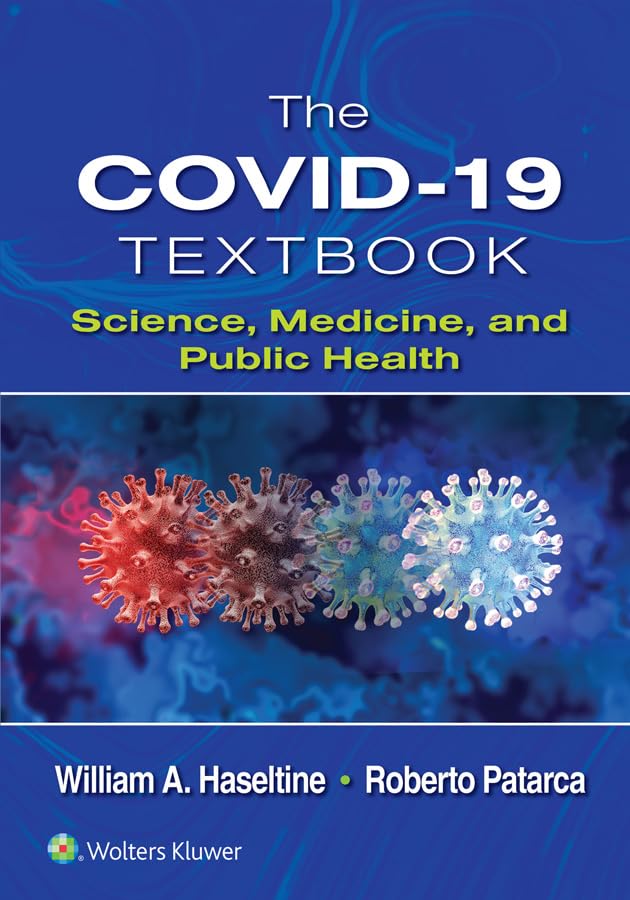
The COVID-19 Textbook: Science, Medicine and Public Health
The COVID-19 Textbook: Science, Medicine, and Public Health explores every facet of SARS-COV-2, giving the reader an understanding of what is needed to control the spread of the virus, prevent and manage its pathological effects, as well as mitigate the impact of future pandemics. Each chapter is authored by leading global experts in the field and includes topics such as molecular biology, epidemiology, pathogenesis, immunology, diagnosis, and the latest prevention and treatment approaches. Edited by renowned educator and medical researcher Dr. William A. Haseltine, physician-researcher, and chronic fatigue syndrome expert Dr. Roberto Patarca, it includes detailed references in every chapter, allowing easy access to comprehensive primary data.
- Offers a timely, reliable overview authored and edited by leading global experts in the multifaceted areas covered on SARS-CoV-2 and the COVID-19 pandemic.
- Serves as an authoritative and comprehensive text to be utilized by physicians, medical professionals, researchers, students, public health professionals, and policymakers.
My Lifelong Fight Against Disease
“Place this book at the top of your list. You will be inspired to make an impact on the world, with a remarkable guide to help show you the path.”
Sanjay Gupta, MD
Associate Professor of Neurosurgery, Emory; Chief Medical Correspondent, CNN Anticipating a career in medicine, Dr. William A. Haseltine was in his first weeks of graduate studies at Harvard when a legendary physician-scientist offered this advice: “You can do more for human health through science than you ever could as a doctor.” That advice hit him “like a thunderbolt”—and he took it. Since then, Dr. Haseltine has helped combat cancers, worked to contain the HIV/AIDS pandemic and unlocked the power of the human genome to develop dozens of new pharmaceutical cures. His discoveries in molecular biology and genomics, amplified through his counsel at the highest levels of government and in the public eye, have improved the health and lives of millions of people around the world. For the first time, Dr. Haseltine tells his life story—which is still unfolding—in My Lifelong Fight Against Disease, including facing devastating public health crises such as the COVID-19 pandemic, and highlighting exhilarating moments of medical discovery. In writing the story of his wide-ranging career, Dr. Haseltine’s goals are simple: to encourage the next generation to make their own significant contribution to human life, and for all readers to appreciate science as a humanistic enterprise. A compulsively readable and fast paced insider’s account of some of the most brilliant medical breakthroughs in modern history, My Lifelong Fight Against Disease is a candid, evocative and ultimately revelatory exploration into what it means to make science your life.
Available in Hardcover and as a Signed Edition from the Publisher:

Preorder in Hardcover from your Favorite Retailer, Available February 16, 2021:



“A timely, moving and inspirational account of the difference that a curious man can make in the world. He combines his powerful personal story with easy-to-read explanations of his tussles with medical science, and thrilling accounts of the political battles he faced.”
—Gillian Tett, Chair Editorial Board and Editor-at-Large, The Financial Times
“Enthusiasm in embracing the public context of science is all too rare in the science community. Bill models this in a joyful way, inspiring others to relish science and public engagement. This book is an instant classic!”
—Mary Woolley, President and CEO, Research!America
“Place this book at the top of your list. You will be inspired to make an impact on the world, with a remarkable guide to help show you the path.”
—Sanjay Gupta, MD, Associate Professor of Neurosurgery, Emory; Chief Medical Correspondent, CNN
“This gripping autobiography is at once a study in the development of a scientific mind infused with humanist commitment and a candid revelation of a complex and many sided personality. Readers will get to know great scientists, political figures, activists and above all the author himself, whose careers in molecular biology research and biopharmaceutical entrepreneurship have been of immense benefit to humankind.”
—Leo J. O’Donovan, S.J., President Emeritus, Georgetown University
“Readers will be swept along by the excitement of discovery, the urgency of breakthrough treatment, the impact of policy and the thrill of success. I can well imagine future leaders in health science looking back on this book as formative to their own journeys.”
—Brian Greene, Director, Columbia Center for Theoretical Physics; Co-founder and Chairman, World Science Festival
”My Lifelong Fight Against Disease is a fascinating memoir from one of the greatest scientists of our time.”
★★★★★ Clarion Review
“...an elegantly recounted story of a singular life studded with achievements. An erudite, illuminating account of a scientist’s remarkable journey.”
—Kirkus Reviews
“…a timely account of how one individual can impact global health, especially related to viruses… Readers will find this dramatic, self-reflective autobiography an entertaining and enlightening antidote to today's healthcare news.”
—Starred Blue Ink Review
“A fascinating tale of growth and discovery of a medical scientist who thinks both deeply and broadly.”
—Alfred Sommer, MD
Dean Emeritus and Professor, Johns Hopkins Bloomberg School of Public Health
“This compelling personal and professional story offers a superbly insightful analysis of what it will take for humanity to keep combatting increasingly complex health challenges and their devastating impacts. A life and career guided by a purpose to improve the health and well being of people everywhere is a legacy that gives hope.”
—Michelle Williams, Dean of the Faculty, Harvard T.H. Chan School of Public Health
Press


Scientists are sure that a person can live forever. There's only one problem

A Secret Factor Accelerates Aging, Scientists Say. The Clue Could Help Us Conquer Death.

These States Have the Highest Number of COVID, Flu and RSV Cases Right Now—Is Yours on the List?

Covid Commentaries: A Chronicle of a Plague
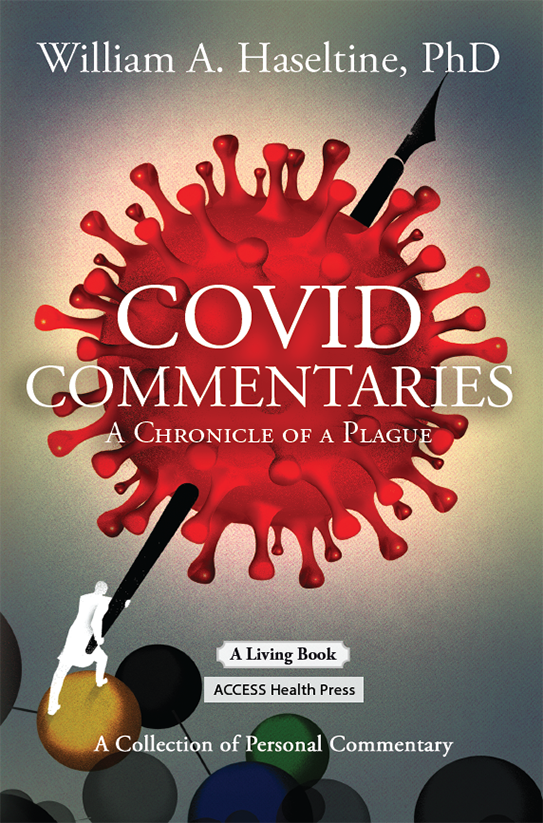
After a lifetime spent in science, medicine, and pursuing better public health, Dr. Haseltine is once again logging eighteen-hour days battling a new and still somewhat unknown disease. His opinions on the course of the pandemic are sought regularly by major broadcast news networks and print media. The COVID Commentaries is a collection of Dr. Haseltine’s writings, research, and interviews on COVID-19.
Writings
Speech Sequencing: The Hidden Architecture Behind Human Fluency
(Posted on Saturday, August 2, 2025)
Every day, we speak thousands of words, without rehearsal or hesitation. We order coffee. We soothe a child. We describe a memory, tell a joke, argue, confess, comfort, persuade. To us, speech feels as natural as breathing. Yet from the brain’s perspective, it is anything but simple. New research published in ... read more
Why Autism May Not Be One Condition, But Many
(Posted on Saturday, July 26, 2025)
For most of human history, the mind was a mystery box. Behavior emerged, and we simply accepted it—strange, brilliant, troubled, gifted. But today, we peer inside that box. We map genes. We track brain development. And sometimes, what we find upends everything we thought we knew. Take autism. Long framed as ... read more
The Brain Circuit Behind Sexual Urges—And Why It Sometimes Switches Off
(Posted on Wednesday, July 23, 2025)
Why do we love? Why do we lust? What makes us seek out a mate? These are questions that scientists, poets, philosophers, and people have asked and considered for centuries. Today, we are closer than ever before to discovering the answers. A recent study from Cell inches us closer to understanding the ... read more
How the Brain Builds Conversations Across Time
(Posted on Sunday, July 20, 2025)
“Happy talk, Keep talkin’ happy talk, Talk about things you’d like to do.” These lyrics from South Pacific hint at something deeply human: Our lives unfold through talk. Our conversations give form to our thoughts and tie us to one another. But beneath the surface of every spoken exchange lies a complex neural process, ... read more
Rewriting Genetic Fate: Universal Newborn Genomic Screening Arrives
(Posted on Sunday, July 20, 2025)
In , we envisioned a world where every newborn would be screened for genetic risks. We see a future in which the randomness of genetic inheritance could be met with knowledge, preparation, and, ultimately, intervention. Today, that vision is rapidly becoming reality on both sides of the Atlantic. The United Kingdom’s National ... read more